
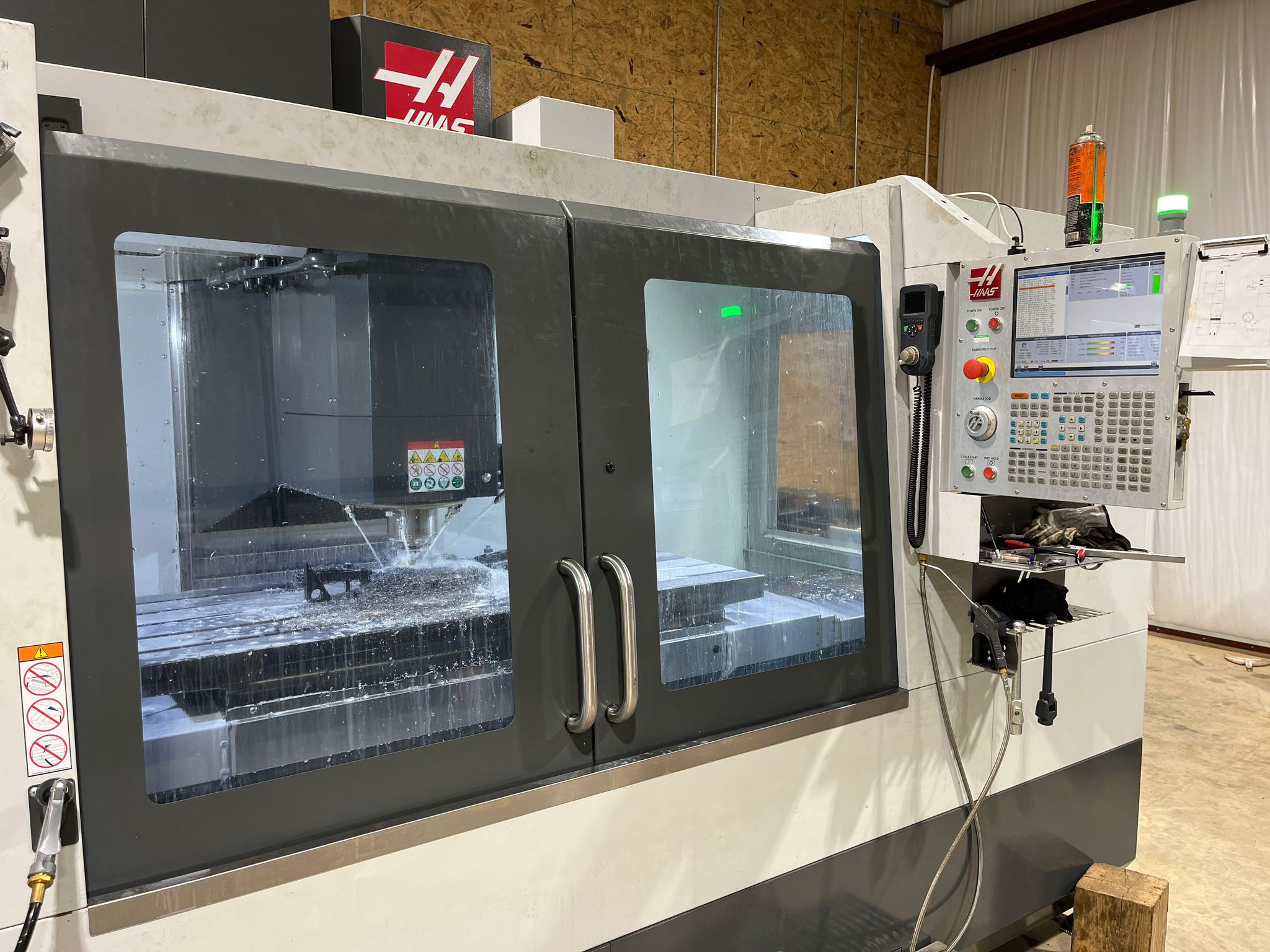
What Is a Millwright?
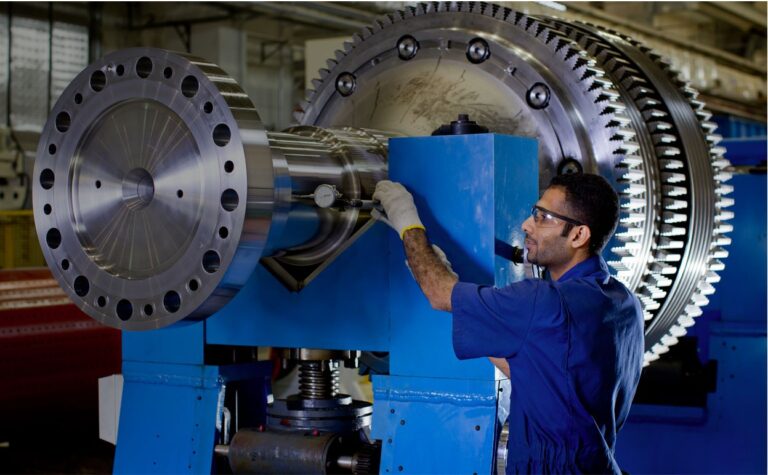
A millwright is a specialized tradesperson who works with industrial machinery and mechanical equipment. Unlike general maintenance staff, millwrights focus on large-scale equipment used in manufacturing plants, warehouses, power facilities, and industrial production environments.
Their role goes beyond basic repairs. Millwrights handle precision tasks such as alignment, leveling, calibration, and mechanical adjustments that directly impact equipment performance and lifespan.
Historically, millwrights worked on mills and mechanical systems powered by water or steam. Today, the trade has evolved to include advanced industrial machinery, automated systems, and complex mechanical installations.
Core Responsibilities of a Millwright
Millwrights perform a wide range of tasks depending on the facility and equipment involved. Their responsibilities typically include the following:
Machinery Installation and Setup
Millwrights install new industrial equipment, ensuring it is placed correctly, securely anchored, and aligned with precision. Proper installation is essential to prevent vibration, mechanical stress, and premature wear.
Equipment Alignment and Leveling
Misalignment is one of the most common causes of machinery failure. Millwrights use specialized tools to align shafts, motors, and components to exact tolerances, ensuring smooth operation and energy efficiency.
Mechanical Maintenance and Repairs
Millwrights inspect machinery, identify mechanical issues, and perform repairs on components such as bearings, gears, conveyors, and drive systems. Their work helps prevent unexpected breakdowns.
Equipment Relocation and Rigging
When facilities expand or reorganize, millwrights safely dismantle, move, and reinstall machinery without damaging equipment or disrupting operations.
Preventive Maintenance
Preventive millwright maintenance focuses on identifying early signs of wear, misalignment, or mechanical imbalance before failures occur. This proactive approach reduces downtime and repair costs.
Key Skills Required to Be a Millwright
Millwrights must possess a unique combination of technical skills and practical experience. Some of the most important skills include:
Strong mechanical aptitude
Knowledge of industrial machinery and systems
Precision measurement and alignment techniques
Ability to read technical drawings and schematics
Problem-solving and troubleshooting skills
Understanding of industrial safety standards
Because millwright work often involves heavy equipment and high-risk environments, attention to detail and safety awareness are essential.
Millwright vs General Maintenance: What’s the Difference?
While both millwrights and maintenance technicians work with industrial equipment, their roles are not the same.
Maintenance technicians typically handle routine tasks such as lubrication, inspections, belt replacements, and minor adjustments. Their focus is on keeping equipment running day to day.
Millwrights, on the other hand, specialize in complex mechanical work. They are responsible for installing new equipment, correcting alignment issues, performing major mechanical repairs, and handling heavy machinery relocation. Their work requires advanced technical knowledge and precision tools.
For critical machinery and large-scale industrial systems, millwright expertise is essential.
Industries That Rely on Millwright Services
Millwrights are essential across many industrial sectors, including:
Manufacturing plants
Warehouses and distribution centers
Power generation facilities
Processing and production plants
Heavy industrial operations
Any facility that relies on complex mechanical equipment benefits from professional millwright services.
Why Millwright Services Are Critical for Industrial Operations
Industrial equipment represents a significant investment. Improper installation or maintenance can lead to reduced efficiency, safety hazards, and costly repairs.
Professional millwright services help ensure:
Equipment operates at optimal performance
Machinery lifespan is extended
Unexpected downtime is minimized
Workplace safety standards are maintained
Long-term operational costs are reduced
Millwrights play a direct role in protecting productivity and profitability.
Common Problems Millwrights Help Prevent
Without professional millwright support, industrial facilities often experience recurring issues such as:
Excessive vibration
Premature bearing or component failure
Misaligned shafts and motors
Increased energy consumption
Frequent breakdowns
Millwrights identify and correct these problems before they escalate into major failures.
When Should You Hire a Professional Millwright?
You should consider professional millwright services when:
Installing new industrial machinery
Relocating or upgrading equipment
Experiencing repeated mechanical failures
Planning preventive maintenance programs
Preparing for plant shutdowns or turnarounds
Early involvement of a millwright can prevent costly mistakes and delays.
The Value of Professional Millwright Services
Millwrights bring specialized expertise that general labor or maintenance staff cannot replace. Their precision, experience, and understanding of industrial systems ensure machinery operates safely, efficiently, and according to manufacturer specifications.
For industrial facilities, investing in professional millwright services is not an expense—it’s a strategic decision that supports long-term performance, safety, and reliability. Steampunk Fabrication provides dependable millwright solutions tailored to industrial operations across Mississippi, helping businesses reduce downtime and protect their equipment investment.