
Heavy equipment is one of the most valuable assets in industrial and construction operations. From excavators and loaders to manufacturing machinery and structural systems, these assets are designed to operate under intense pressure and continuous use. However, even the most durable equipment is subject to wear, stress, and fatigue over time.
Many equipment failures are not sudden—they develop gradually due to unnoticed structural weaknesses. Preventive structural welding plays a critical role in identifying and reinforcing these weak points before they lead to major breakdowns. By taking a proactive approach, businesses can extend equipment lifespan, reduce repair costs, and maintain consistent operational performance.
Understanding Structural Wear in Heavy Equipment
Heavy machinery operates in demanding conditions where load-bearing components are constantly exposed to stress. Continuous vibration, repetitive motion, and environmental factors contribute to gradual structural degradation.
Over time, these conditions cause small cracks, weakened weld joints, and material fatigue. While these issues may not immediately affect performance, they create vulnerabilities that can lead to sudden failure if left unaddressed.
Preventive structural welding focuses on identifying these early signs and reinforcing the affected areas before they become serious problems.
What Is Preventive Structural Welding?
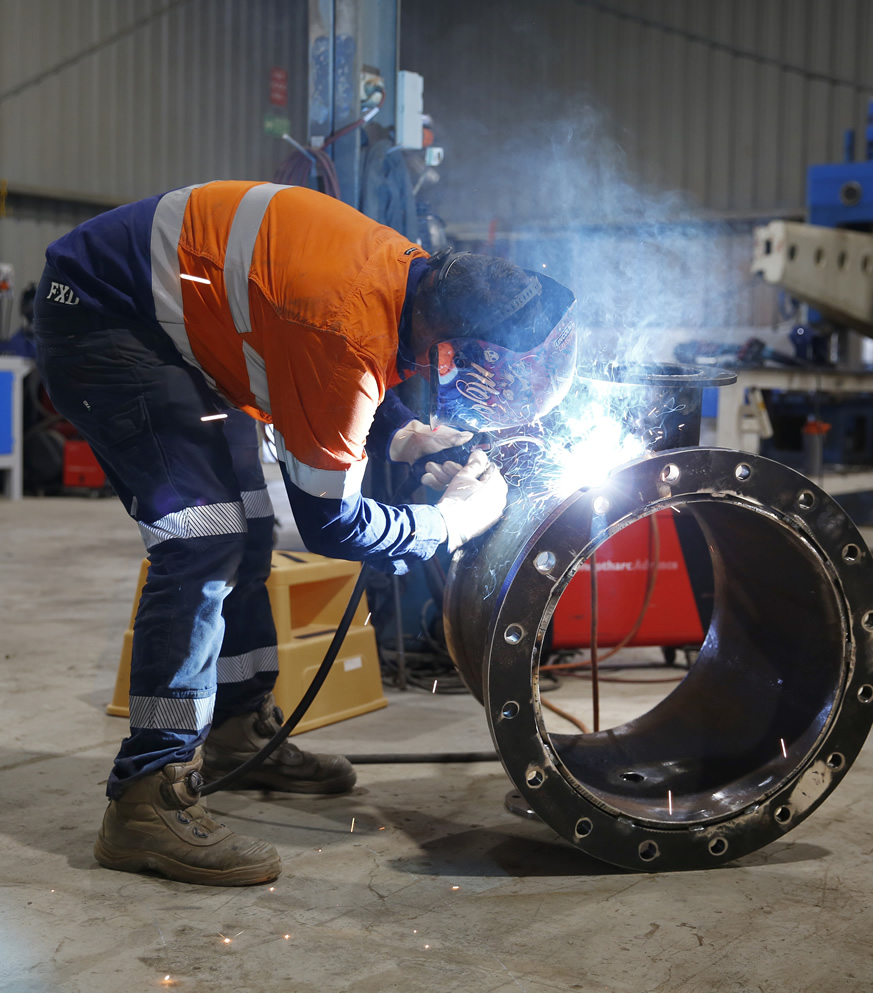
Preventive structural welding is a proactive maintenance approach that involves inspecting, reinforcing, and repairing structural components before failure occurs. Unlike reactive repairs, which address damage after breakdown, preventive welding aims to stop issues before they disrupt operations.
This process typically includes structural inspections, reinforcement of high-stress areas, and early crack repair. By strengthening vulnerable components, preventive welding ensures that equipment continues to operate safely and efficiently over time.
Strengthening High-Stress Areas Before Failure
Certain parts of heavy equipment experience more stress than others. Load-bearing frames, joints, and mounting points are constantly subjected to pressure and movement. These areas are more likely to develop fatigue cracks over time.
Preventive structural welding reinforces these high-stress zones by adding strength and support where it is needed most. This reduces the likelihood of cracks forming and helps distribute loads more evenly across the structure.
By addressing stress points early, businesses can avoid unexpected breakdowns and maintain stable equipment performance.
Reducing the Risk of Crack Propagation
Cracks in structural steel rarely remain small. Once a crack forms, it tends to expand under repeated stress and vibration. This process, known as crack propagation, can quickly turn minor damage into a major structural issue.
Preventive welding stops this progression by repairing cracks at an early stage. Reinforcing the affected area prevents the crack from spreading and restores the structural integrity of the component.
Early intervention significantly reduces the risk of catastrophic failure and costly repairs.
Minimizing Equipment Downtime
Downtime is one of the most significant costs in industrial operations. When equipment fails unexpectedly, production stops, and repair costs increase.
Preventive structural welding helps minimize downtime by addressing potential problems before they cause breakdowns. Maintenance can be scheduled during planned shutdowns or low-production periods, allowing repairs to be completed without disrupting operations.
This proactive approach ensures that equipment remains operational and reduces the need for emergency repairs.
Extending the Lifespan of Equipment Components
Heavy equipment components are designed for long-term use, but their lifespan depends heavily on maintenance practices. Structural wear, if ignored, accelerates deterioration and shortens equipment life.
Preventive welding repairs restore strength to worn or damaged areas, allowing components to continue functioning safely. Reinforcement also protects against future stress, reducing the likelihood of repeated failures.
By extending the lifespan of key components, businesses can delay costly equipment replacement and maximize their return on investment.
Improving Operational Efficiency
Structural damage often leads to reduced efficiency. Misaligned components, weakened frames, and unstable structures can cause increased vibration, energy loss, and mechanical stress.
Preventive structural welding helps maintain proper alignment and stability, allowing equipment to operate more efficiently. Reduced vibration and improved load distribution result in smoother operation and lower energy consumption.
Efficient equipment performance contributes to higher productivity and lower operating costs.
Supporting Safer Work Environments
Safety is a top priority in industrial operations. Structural damage increases the risk of equipment failure, which can lead to accidents and injuries.
Preventive welding ensures that load-bearing components remain strong and stable. By maintaining structural integrity, businesses can reduce safety risks and create a safer working environment for employees.
Proactive maintenance not only protects equipment but also helps organizations meet safety compliance standards.
Reducing Long-Term Maintenance Costs
Reactive maintenance often leads to higher costs because it involves emergency repairs and extensive damage control. Preventive structural welding, on the other hand, focuses on early intervention.
By repairing minor issues before they escalate, businesses can avoid major repair expenses and reduce the frequency of breakdowns. Over time, this approach leads to significant cost savings.
Investing in preventive welding is a strategic decision that improves both financial performance and operational reliability.
Integrating Preventive Welding into Maintenance Programs
To achieve the full benefits of preventive structural welding, it should be integrated into regular maintenance programs. Routine inspections help identify potential issues, while scheduled reinforcement ensures structural stability.
Maintenance teams can work alongside welding professionals to develop a plan that addresses high-stress areas and monitors equipment condition over time.
This integrated approach ensures that structural issues are managed proactively rather than reactively.
Final Thoughts
Heavy equipment is subjected to constant stress, and structural wear is inevitable over time. The key to maintaining long-term performance is not waiting for failure, but preventing it. Preventive structural welding provides a practical solution by reinforcing vulnerable areas, repairing early damage, and extending equipment lifespan.
For industrial and construction operations across Mississippi, Steampunk Fabrication offers professional heavy equipment welding and structural steel repair services designed to support preventive maintenance and long-term equipment reliability. With expert welding solutions and on-site capabilities, Steampunk Fabrication helps businesses reduce downtime, improve safety, and maximize the value of their equipment investments.