Heavy machinery is built to handle demanding workloads, but constant exposure to stress, vibration, and heavy loads gradually weakens structural components. Over time, even the strongest steel frames, joints, and supports begin to show signs of fatigue. If not addressed early, these weaknesses can lead to cracks, instability, and costly equipment failure.
Structural reinforcement welding is one of the most effective solutions for strengthening heavy machinery and preventing long-term damage. Instead of waiting for failure to occur, reinforcement welding focuses on improving structural integrity before critical issues develop. This proactive approach helps industrial and construction operations maintain performance, reduce downtime, and extend equipment lifespan.
What Is Structural Reinforcement Welding?
Structural reinforcement welding involves strengthening existing steel components by adding support, repairing weak areas, and improving load distribution. Unlike basic welding repairs that fix visible damage, reinforcement welding focuses on preventing future failures by addressing structural vulnerabilities.
This process may include reinforcing joints, rebuilding worn sections, or adding additional steel support to high-stress areas. By enhancing the strength of load-bearing components, reinforcement welding ensures machinery can handle ongoing operational demands.
Why Heavy Machinery Requires Reinforcement
Heavy equipment operates in high-pressure environments where components are constantly subjected to dynamic forces. Excavators, loaders, cranes, and industrial machines experience repetitive stress cycles that gradually weaken structural integrity.
Over time, this stress leads to metal fatigue, which increases the likelihood of cracks forming in critical areas. Even when damage is not visible, internal stress can weaken the structure and reduce its ability to handle loads safely.
Reinforcement welding addresses these hidden vulnerabilities, ensuring that equipment remains strong and reliable even under continuous use.
Strengthening High-Stress Load Points
Certain areas of heavy machinery experience significantly higher stress than others. These include connection joints, load-bearing frames, mounting points, and areas exposed to repetitive motion.
Structural reinforcement welding targets these high-stress zones by adding additional support and improving weld strength. By distributing load more evenly across the structure, reinforcement reduces strain on individual components.
This not only prevents crack formation but also improves overall equipment stability and performance.
Preventing Structural Fatigue and Cracking
Structural fatigue is one of the leading causes of heavy equipment failure. Continuous stress causes microscopic cracks to form within the steel, which gradually grow larger over time.
Reinforcement welding helps prevent this process by strengthening vulnerable areas before cracks develop. When early-stage cracks are detected, welding can stop them from spreading and restore structural integrity.
Preventing fatigue-related damage reduces the likelihood of sudden breakdowns and extends the operational life of equipment.
Enhancing Equipment Durability in Harsh Conditions
Industrial and construction environments often expose machinery to harsh conditions such as moisture, dirt, extreme temperatures, and heavy impact. These factors accelerate wear and increase the risk of structural damage.
Structural reinforcement welding improves durability by adding strength to critical areas and protecting components from environmental stress. Reinforced structures are better equipped to handle challenging conditions without compromising performance.
This is especially important for equipment operating in demanding industries where reliability is essential.
Reducing Downtime Through Proactive Reinforcement
Unexpected equipment failure leads to costly downtime and operational delays. When structural damage reaches a critical point, machinery must be taken out of service for repair or replacement.
Reinforcement welding reduces the likelihood of these disruptions by addressing potential issues before they cause failure. Maintenance teams can schedule reinforcement work during planned downtime, ensuring that operations continue without interruption.
By preventing breakdowns, reinforcement welding helps maintain consistent productivity and reduces reliance on emergency repairs.
Extending Equipment Lifespan and Maximizing ROI
Heavy equipment represents a significant financial investment. Extending its lifespan is essential for maximizing return on investment.
Structural reinforcement welding allows businesses to maintain and strengthen existing equipment rather than replacing it prematurely. By reinforcing critical components, machinery can continue operating safely for longer periods.
This reduces capital expenditure on new equipment and improves overall cost efficiency.
Improving Safety and Operational Stability
Weak structural components increase the risk of equipment instability and failure. This can create serious safety hazards for operators and workers on-site.
Reinforcement welding restores and enhances the strength of load-bearing components, ensuring that machinery operates safely under normal conditions. Improved structural stability reduces the risk of accidents and supports compliance with safety standards.
A strong and stable machine is not only more efficient but also significantly safer to operate.
When Should You Consider Structural Reinforcement Welding?
Structural reinforcement is beneficial in several situations. Equipment that shows early signs of fatigue, operates under heavy loads, or has a history of repeated stress should be evaluated for reinforcement.
Machinery used in high-demand environments or critical operations can also benefit from proactive reinforcement. Addressing vulnerabilities early helps prevent larger problems and ensures consistent performance.
Professional assessment is key to identifying areas that require reinforcement and determining the most effective welding approach.
The Importance of Professional Welding Expertise
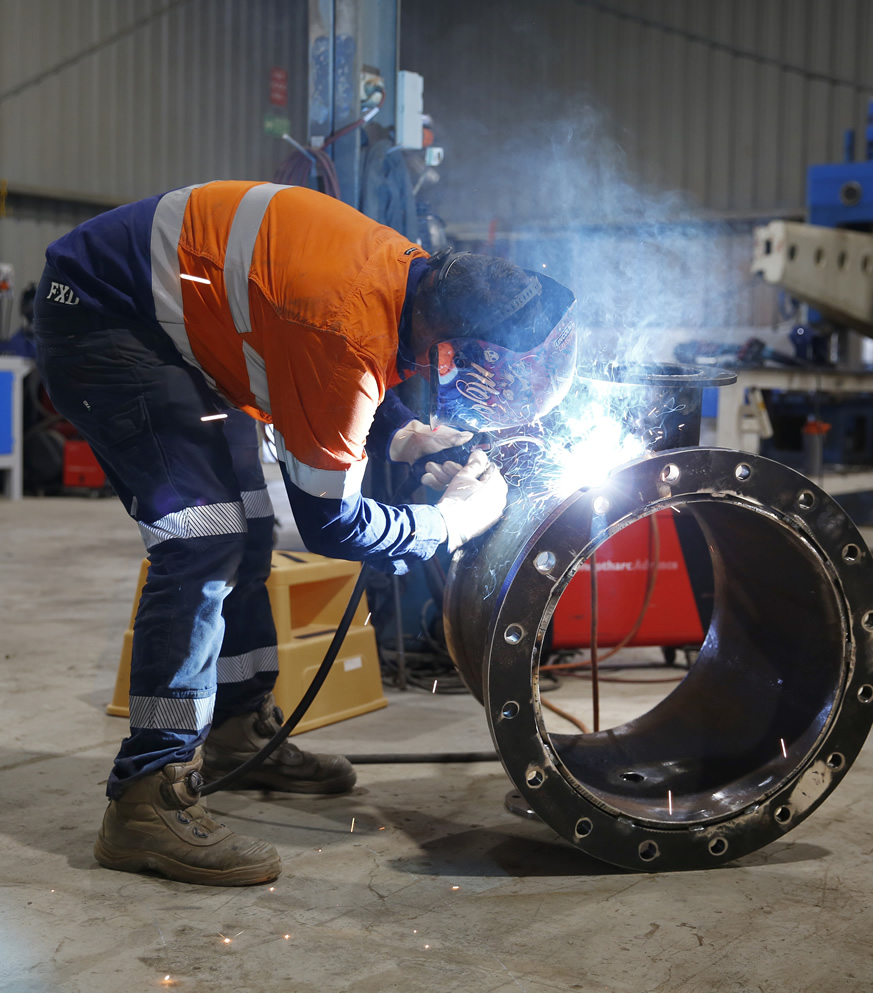
Structural reinforcement welding requires advanced technical knowledge and experience. Welders must understand load distribution, material behavior, and industrial safety requirements to perform effective repairs.
Using incorrect welding techniques can weaken the structure instead of strengthening it. Professional welders ensure that reinforcement is performed using proper methods, high-quality materials, and precise execution.
High-quality reinforcement welding delivers long-lasting results and ensures equipment can withstand demanding operational conditions.
Final Thoughts
Heavy machinery is constantly exposed to stress, making structural wear inevitable over time. Waiting for visible damage to occur can lead to costly repairs and unexpected downtime. Structural reinforcement welding offers a proactive solution by strengthening vulnerable areas, preventing fatigue, and improving long-term performance.
For industrial and construction operations across Mississippi, Steampunk Fabrication provides expert heavy equipment welding and structural steel repair services designed to reinforce machinery, extend lifespan, and maintain operational reliability. With professional welding solutions and on-site capabilities, Steampunk Fabrication helps businesses protect their equipment investment and ensure consistent performance.