

Industrial downtime is one of the most expensive and disruptive challenges faced by manufacturing plants, construction companies, and heavy industrial operations. When equipment stops working, production halts, deadlines are missed, and operational efficiency drops immediately. While many businesses focus on repair costs, the true financial impact of downtime goes far beyond fixing a machine.
Understanding the true cost of industrial downtime helps businesses take proactive steps to reduce risk, improve efficiency, and protect long-term profitability. With the right maintenance strategy and fast response repair services, downtime can be significantly minimized.
What Is Industrial Downtime?
Industrial downtime refers to any period when equipment, machinery, or production systems are not operating as intended. Downtime can be planned, such as scheduled maintenance, or unplanned, which occurs due to unexpected equipment failure.
Unplanned downtime is the most costly because it disrupts operations without warning. It often leads to emergency repairs, delayed production schedules, and increased operational stress.
The Hidden Costs of Downtime
Most businesses recognize the immediate cost of repairing equipment, but downtime creates several indirect expenses that are often overlooked.
When production stops, revenue generation is directly affected. Orders may be delayed or canceled, and customers may turn to competitors. In industries with tight deadlines, even short interruptions can lead to significant financial losses.
Labor costs also increase during downtime. Employees may remain on-site while equipment is being repaired, resulting in paid hours without productive output. In some cases, overtime is required to catch up on lost production once operations resume.
Downtime can also cause damage to other equipment. When one machine fails, it can disrupt the entire production system, placing additional stress on connected components. This can lead to a chain reaction of failures, further increasing repair costs.
Impact on Productivity and Efficiency
Downtime reduces overall productivity by interrupting workflow and delaying processes. Even after repairs are completed, it may take time for operations to return to normal levels.
Frequent interruptions reduce efficiency and create inconsistencies in production output. This can affect product quality, scheduling accuracy, and customer satisfaction.
Maintaining consistent equipment performance is essential for achieving operational efficiency, and minimizing downtime plays a key role in this process.
Long-Term Financial Consequences
Repeated downtime has long-term financial implications that extend beyond immediate losses. Businesses that experience frequent equipment failures may face increased maintenance costs, reduced equipment lifespan, and declining operational performance.
Over time, these issues can impact profitability and competitiveness. Companies that fail to address downtime effectively may struggle to meet demand or maintain reliable service.
Investing in preventive maintenance and timely repair services helps reduce these long-term risks.
Common Causes of Industrial Downtime
Downtime often results from a combination of mechanical, structural, and operational factors. Equipment wear, lack of maintenance, and delayed repairs are among the most common causes.
Structural damage, such as cracks in frames or weakened weld joints, can also lead to sudden equipment failure. These issues often develop gradually and may go unnoticed until a breakdown occurs.
In some cases, downtime is caused by operator error or improper equipment use. However, most failures can be traced back to underlying mechanical or structural problems that could have been addressed earlier.
How Preventive Maintenance Reduces Downtime
Preventive maintenance is one of the most effective ways to minimize downtime. By regularly inspecting equipment and addressing issues early, businesses can prevent minor problems from becoming major failures.
Preventive maintenance includes monitoring equipment performance, checking for structural damage, and performing necessary repairs before breakdowns occur. This approach allows maintenance teams to plan repairs during scheduled downtime rather than responding to emergencies.
Facilities that implement preventive maintenance programs experience fewer disruptions and more consistent production output.
The Role of Fast Response Repair Services
Even with preventive measures in place, unexpected failures can still occur. In these situations, fast response repair services are essential for minimizing downtime.
Rapid repair ensures that equipment is restored quickly, reducing the duration of production interruptions. On-site repair services are particularly valuable because they eliminate the need to transport equipment, allowing work to begin immediately.
Quick response not only reduces downtime but also prevents further damage to equipment.
Structural Welding and Equipment Reliability
Structural issues are a major contributor to downtime in heavy equipment. Cracks, fatigue, and weakened weld joints can compromise the integrity of machinery, leading to unexpected failures.
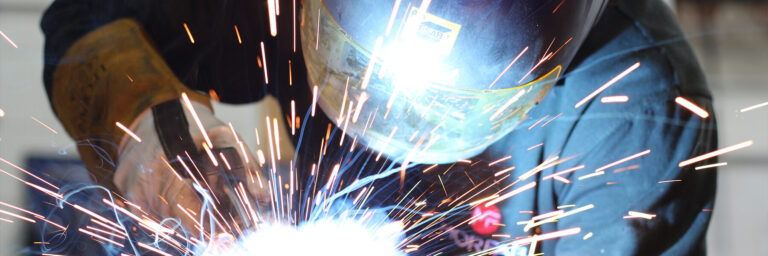
Structural welding plays a critical role in maintaining equipment reliability. By repairing and reinforcing structural components, welding services help prevent breakdowns and extend equipment lifespan.
Integrating structural welding into maintenance strategies improves overall equipment performance and reduces the risk of downtime.
Strategies to Minimize Downtime
Reducing downtime requires a proactive and well-planned approach. Businesses must focus on early detection of issues, timely repairs, and continuous monitoring of equipment performance.
Maintenance teams should prioritize high-risk components and ensure that structural integrity is maintained. Scheduling regular inspections and using professional repair services helps prevent unexpected failures.
Investing in reliable repair solutions and preventive maintenance creates a more stable and efficient operational environment.
The Importance of Proactive Decision-Making
Downtime is often the result of delayed decisions. Ignoring early warning signs or postponing repairs increases the likelihood of failure.
Proactive decision-making involves addressing problems as soon as they are detected and implementing maintenance strategies that prevent future issues. This approach reduces uncertainty and improves operational reliability.
Businesses that take a proactive approach to equipment maintenance are better equipped to handle challenges and maintain consistent performance.
Final Thoughts
Industrial downtime is more than just a temporary inconvenience—it is a significant financial and operational challenge that affects productivity, efficiency, and profitability. Understanding the true cost of downtime highlights the importance of preventive maintenance, early repair, and fast response solutions.
For industrial operations across Mississippi, Steampunk Fabrication provides reliable industrial equipment repair services designed to reduce downtime, restore performance, and improve long-term operational efficiency. With expert repair solutions and rapid response capabilities, Steampunk Fabrication helps businesses stay productive and competitive.