

Although both methods have their place in fabrication, the differences between CNC machining and traditional machining directly impact project outcomes, production timelines, and overall cost. Understanding these differences helps manufacturers, engineers, and equipment operators choose the right method for their specific application.
What Is CNC Machining?
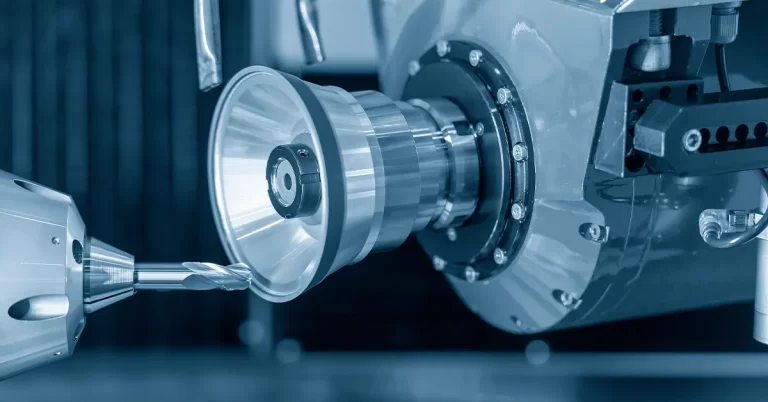
CNC (Computer Numerical Control) machining uses advanced software and programming to control cutting tools, spindles, and machine movement. Once programmed, the machine follows a precise, automated tool path to shape, cut, drill, or finish a material exactly to specification.
Why CNC machining stands out:
Produces accurate, repeatable parts with minimal variation
Perfect for complex designs with multi-axis geometry
Efficient for both prototypes and high-volume production
Reduces manual handling, improving safety and consistency
From aerospace components to custom industrial brackets, CNC machining is trusted for applications where precision is non-negotiable.
What Is Traditional Machining?
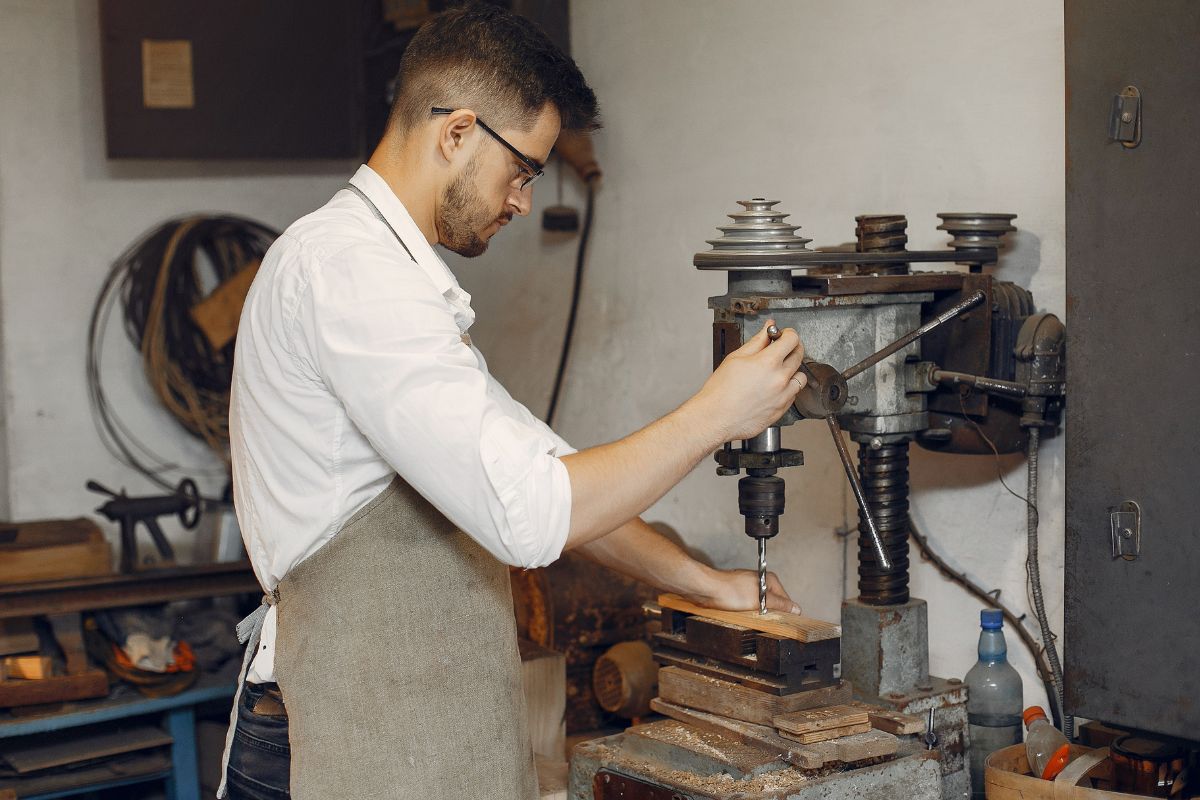
Traditional machining relies entirely on manual operation. A machinist controls all machine movements, tool changes, and measurements. While this method works for simple parts or basic cutting tasks, it places heavy responsibility on the operator’s skill, attention, and experience.
Characteristics of traditional machining:
Requires constant hands-on involvement
More prone to error or deviation
Limited in producing highly complex shapes
Better suited for straightforward one-off parts
Traditional machining still has value in repair work, manual adjustments, or small jobs, but it lacks the scalability and precision today’s industries demand.
Key Differences Between CNC Machining and Traditional Machining
1. Precision and Accuracy
Precision is one of the most critical factors in modern fabrication.
CNC Machining Precision
CNC machines are programmed to follow exact digital commands down to thousandths of an inch. Because movement is computer-controlled, there is extremely little variation, even when producing hundreds or thousands of identical parts.
CNC benefits include:
Near-perfect repeatability
Ability to hold tight tolerances
Suitable for detailed or complex components
Predictable, consistent output
Traditional Machining Precision
Traditional machining success depends on the operator’s dexterity and expertise. Variations in hand movements, pressure, tool angles, and measurement interpretation can lead to inconsistencies.
Limitations include:
Harder to maintain tight tolerances repeatedly
More variation across large batches
Higher dependency on operator skill
2. Production Speed and Efficiency
In today’s fast-paced manufacturing world, production time directly impacts profitability.
CNC Machining Efficiency
CNC machines run faster because they automate most manual tasks. Once a program is set:
Cutting cycles run automatically
Setup times decrease
Multi-tool operations can run in one sequence
Machines can operate for long periods with supervision rather than hands-on control
This makes CNC machining ideal for large production runs where speed and consistency matter.
Traditional Machining Efficiency
Traditional methods require multiple manual steps—measuring, adjusting, clamping, changing tools, and repositioning.
This results in:
Longer production cycles
Higher labor requirements
Slower output for complex designs
Traditional machining works well for one-off repairs or simple components, but struggles with demanding timelines.
3. Ability to Produce Complex Designs
Design complexity is where CNC machining truly shines.
CNC Machining Capabilities
CNC machines can process multi-axis movements, deep cuts, angled profiles, pockets, curves, and intricate geometries that manual machining cannot achieve easily.
Applications include:
Aerospace components
Automotive performance parts
Medical device components
Custom industrial tools and fixtures
Traditional Machining Capabilities
Manual machines can only operate in limited directions and depend on the machinist’s physical movement.
Restrictions include:
Difficulty performing curved or multi-plane cuts
Need for multiple setups for a single part
Higher chance of error in complex shapes
4. Material Versatility
Material choice affects durability, strength, cost, and overall performance.
Materials CNC Machining Handles Easily:
Aluminum
Stainless steel
Mild steel
Brass
Copper
Plastics and composites
Specialty alloys & hardened materials
CNC machines maintain accuracy even when cutting harder, more resistant materials.
Traditional Machining Challenges
Manual machining can work with common metals but may struggle with:
Hard alloys
Abrasive materials
High-precision plastics
5. Cost-Effectiveness
Cost doesn’t just refer to how much you spend—it includes wasted materials, labor hours, and long-term reliability.
Why CNC Machining Is More Cost-Efficient
Fast cycle times reduce labor hours
Fewer errors mean fewer wasted materials
Perfect repeatability saves money in mass production
High precision reduces rework and delays
Traditional Machining Costs Increase When:
Parts are complex
High accuracy is required
The order volume grows
Multiple setups are needed
6. Safety Considerations
CNC machining provides a safer work environment because operators do not manually control the cutting tools. Automated processes limit exposure to rotating spindles, sharp tools, and flying debris.
Traditional machining involves direct interaction, increasing risks of:
Cuts
Burns
Equipment contact injuries
CNC machining significantly reduces these hazards.
Which Method Should You Choose?
Choose CNC Machining When You Need:
High precision
Tight tolerances
Fast production
Complex geometries
Repeatable results
Long-term cost savings
Choose Traditional Machining When You Need:
Simple, one-off parts
Manual custom adjustments
Quick, basic repairs
However, for most modern industrial, automotive, agricultural, and commercial applications, CNC machining remains the superior option.
Conclusion
CNC machining provides a level of accuracy, efficiency, and versatility that traditional machining simply cannot match. As industries evolve and demand higher-quality components, CNC technology continues to set the standard for precision manufacturing. Whether you’re producing intricate parts, repeating large batches, or need consistent tolerances, CNC machining delivers outstanding performance every time.
For dependable, high-precision CNC machining solutions, contact Steampunk Fabrication. Our team proudly serves Hazlehurst and surrounding areas with expert machining services designed to meet today’s demanding fabrication standards.