In this article, we’ll explore how CNC and precision fabrication work, the industries that rely on them, their benefits, and why choosing the right fabrication partner in Mississippi can make all the difference..
What is CNC & Precision Fabrication?
CNC (Computer Numerical Control) machining is a process where advanced machines cut, drill, and shape metal based on computer-programmed instructions. Unlike manual machining, CNC machines provide unmatched accuracy, making it possible to produce parts with consistent measurements across small or large runs.
Precision fabrication, on the other hand, focuses on creating detailed or small-scale components where tolerances, finishes, and exact fits are critical. These are often the parts that make larger systems function smoothly.
Think of it this way: structural fabrication builds the frame, while CNC and precision fabrication provide the fine details that bring everything together.
Why Mississippi Businesses Rely on Precision Fabrication
Aerospace & Defense
Mississippi has a growing aerospace sector, where even the smallest component must perform flawlessly. Brackets, housings, and fixtures used in aircraft or defense systems often come from precision fabrication shops.
Automotive & Transportation
From heavy trucks to specialty vehicles, the automotive industry depends on durable parts that require exact machining. CNC ensures every gear, shaft, or bracket performs reliably.
Oil, Gas & Energy
Energy infrastructure demands strong, leak-proof, and precisely machined valves, fittings, and housings. A slight flaw could compromise safety and efficiency.
Medical & Healthcare
Fabricated surgical tools, diagnostic equipment, and custom housings must meet high medical-grade standards. Precision fabrication guarantees clean finishes and dependable quality.
Agriculture & Manufacturing
Mississippi’s farming and manufacturing industries often need custom machine components — gears, sprockets, jigs, and fittings — that integrate into larger equipment for long-term performance.
Key CNC Capabilities & Processes
CNC and precision fabrication combine several processes to achieve accurate results. Some of the most common include:
CNC Milling: Cuts flat, angled, or contoured surfaces with precision.
CNC Turning (Lathes): Creates cylindrical parts like shafts, bushings, or fasteners.
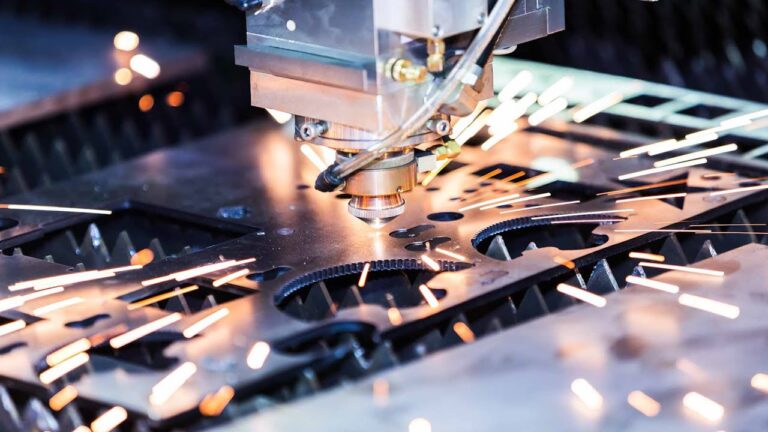
Laser & Waterjet Cutting: Ideal for sheet metal parts with detailed shapes.
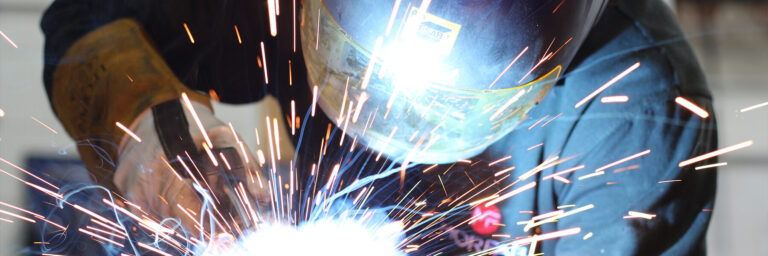
Precision Welding & Assembly: Small-scale assemblies where alignment is crucial.
Secondary Processes: Tapping, drilling, polishing, and finishing to meet functional and aesthetic requirements.
Each process ensures that parts are ready to fit seamlessly into larger assemblies or stand on their own in critical applications.
Benefits of CNC & Precision Fabrication
Businesses across Mississippi choose CNC and precision fabrication for several reasons:
Unmatched Accuracy: Achieves precise dimensions, ensuring parts fit perfectly every time.
Repeatability: Ideal for projects where hundreds or thousands of identical parts are needed.
Faster Turnaround: Once programmed, CNC machines run continuously, speeding up production.
Flexibility: Handles single prototypes, short runs, or full-scale production.
Reduced Waste: Optimized programming reduces material usage and cost.
High-Quality Finishes: Ensures components meet functional and visual standards.
Materials Used in Precision Fabrication
Choosing the right material is just as important as the machining process itself. Common metals include:
Aluminum: Lightweight, corrosion-resistant, and easy to machine — widely used in aerospace and automotive.
Stainless Steel: Strong and resistant to corrosion, making it ideal for food-grade and medical applications.
Carbon Steel: Affordable and durable for heavy-duty applications.
Specialty Alloys (Titanium, Brass, Copper): Used when strength, conductivity, or performance is critical.
By selecting the proper material, Mississippi businesses can balance performance, cost, and longevity.
Real-World Applications in Mississippi
Aerospace Brackets & Fixtures
CNC machining delivers the reliability needed for aircraft brackets that support critical systems.
Precision Machine Components
Industrial equipment, agricultural machinery, and processing systems often require custom shafts, gears, or housings that can’t be mass-produced.
Custom Tooling & Prototypes
Before mass production, companies test designs with prototypes or custom tools. CNC fabrication makes it possible to create prototypes quickly and accurately.
Electronics & Enclosures
CNC machining produces housings and enclosures for electrical and control systems, ensuring protection and precision fit.
How CNC & Structural Fabrication Work Together
It’s rare for a project to need only one type of fabrication. Often, CNC parts support larger structural assemblies. For example:
A fabricated platform might rely on precision-machined brackets to secure equipment.
Custom pipe racks may need machined fittings for leak-proof connections.
Heavy machinery frames often integrate smaller precision parts for functionality.
This combination of scale and accuracy makes it essential to work with a fabricator capable of both.
Quality Assurance in Precision Fabrication
Because precision parts must meet exact standards, quality control is built into every step of the process:
Dimensional Checks: Verifying every measurement against CAD models.
Surface Finish Testing: Ensuring smooth surfaces for proper sealing and performance.
Prototype Validation: Testing part fit and function before mass production.
Material Traceability: Documenting the source and properties of every metal used.
This commitment to accuracy ensures reliability and long-term performance.
Lead Times & Cost Considerations
The timeline and cost of CNC projects depend on several factors:
Prototypes: Usually completed in 1–2 weeks, depending on complexity.
Small Batch Production: Often ready within 2–4 weeks.
Large Production Runs: May require 4–8 weeks or longer.
Cost Drivers:
Complexity of the design.
Type of material used (aluminum vs. titanium).
Finishing requirements.
Volume — small runs are more expensive per unit compared to large runs.
Businesses can save money by working with a fabricator who helps optimize design and material use without compromising performance.
Why Local CNC Fabrication Matters in Mississippi
Partnering with a local Mississippi-based fabricator offers several advantages:
Faster Turnaround: Reduced shipping and quicker communication.
Face-to-Face Collaboration: Easier to refine prototypes and discuss design changes.
Knowledge of Local Industries: Familiarity with regional needs, from aerospace to agriculture.
Integrated Services: Many Mississippi shops offer both CNC precision and structural fabrication, reducing the need for multiple vendors.
Conclusion
CNC machining and precision fabrication may not always grab headlines, but they are the backbone of countless industries in Mississippi. By delivering accuracy, reliability, and efficiency, they enable aerospace, automotive, energy, medical, and agricultural businesses to thrive.
When combined with structural and custom fabrication, precision machining completes the picture — ensuring that every project, from the largest frame to the smallest bracket, works together seamlessly.
Ready to bring precision to your next project? Explore our full range of Metal Fabrication Services in Mississippi and discover how CNC fabrication can take your business to the next level.