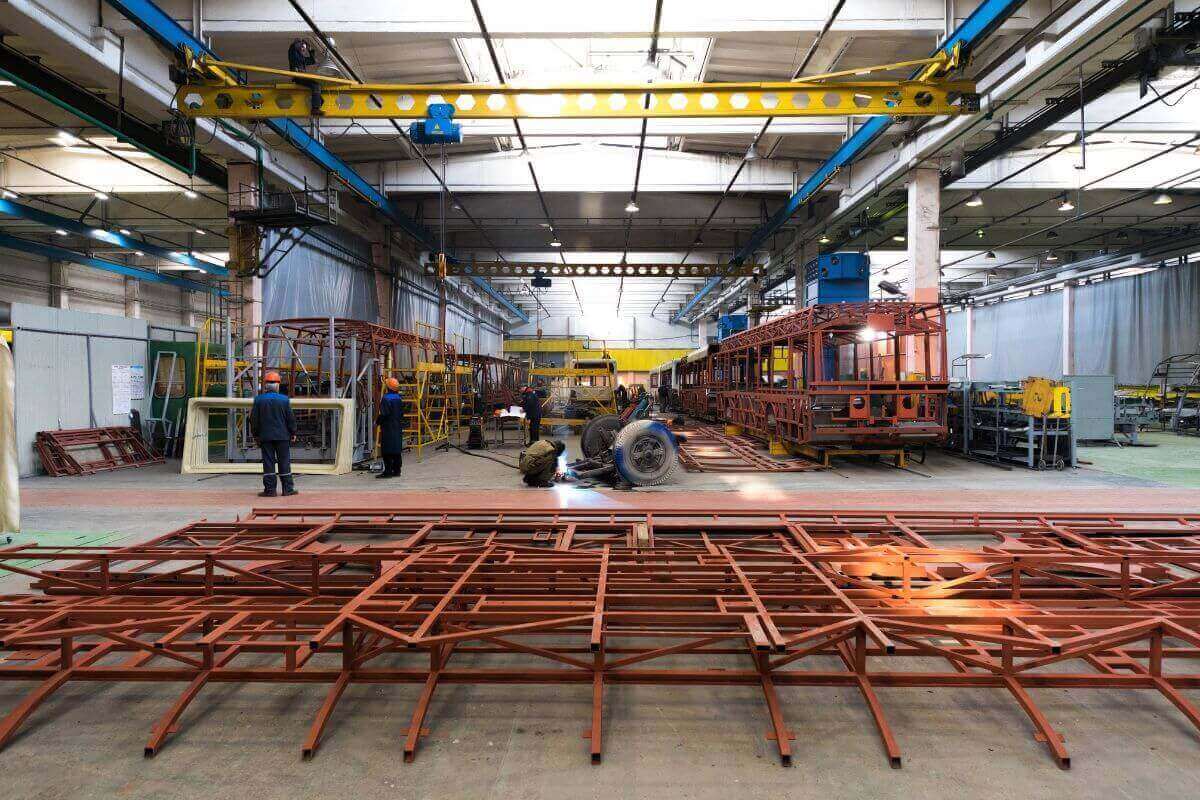
Structural steel is widely used in industrial facilities because of its strength, durability, and ability to support heavy loads. Warehouses, manufacturing plants, construction sites, and processing facilities all rely on steel structures to maintain safe and efficient operations. However, even the strongest steel components can experience structural failure when exposed to continuous stress, environmental damage, or improper maintenance.
Understanding the most common structural steel failures in industrial facilities helps businesses identify early warning signs and prevent serious safety hazards. When these issues are addressed quickly through professional welding repair and structural reinforcement, companies can avoid costly downtime and equipment replacement.
Steel Fatigue from Repeated Stress
One of the most frequent causes of structural steel failure is metal fatigue. Industrial equipment and building structures often experience constant vibration, movement, and heavy loading. Over time, this repeated stress gradually weakens the steel, causing microscopic cracks to develop.
These cracks often begin around high-stress points such as weld joints, load-bearing beams, and connection plates. At first, fatigue damage may be difficult to detect. However, as the cracks grow larger, they can compromise the structural integrity of the entire component.
Metal fatigue is particularly common in facilities that operate heavy machinery or equipment continuously. Preventive inspections and reinforcement welding can help strengthen stress points and reduce the likelihood of fatigue-related failures.
Corrosion and Environmental Damage
Corrosion is another major contributor to structural steel deterioration. Industrial facilities are frequently exposed to moisture, chemicals, temperature changes, and airborne contaminants. Over time, these environmental conditions cause steel surfaces to oxidize and weaken.
Rust may appear as surface discoloration initially, but prolonged corrosion gradually eats away at the metal. This process reduces the thickness of steel components and weakens weld joints.
In severe cases, corrosion can cause beams, brackets, and structural supports to lose their load-bearing capacity. Regular inspections and protective coatings can slow corrosion, while structural welding repair can reinforce damaged sections before they become dangerous.
Weld Joint Failure
Weld joints play a critical role in holding structural components together. When welds are improperly executed or subjected to extreme stress over time, they may begin to crack or separate.
Weld failure often occurs due to poor welding techniques, improper material compatibility, or excessive vibration in industrial equipment. Once a weld joint begins to weaken, stress is transferred to nearby components, which can accelerate structural damage.
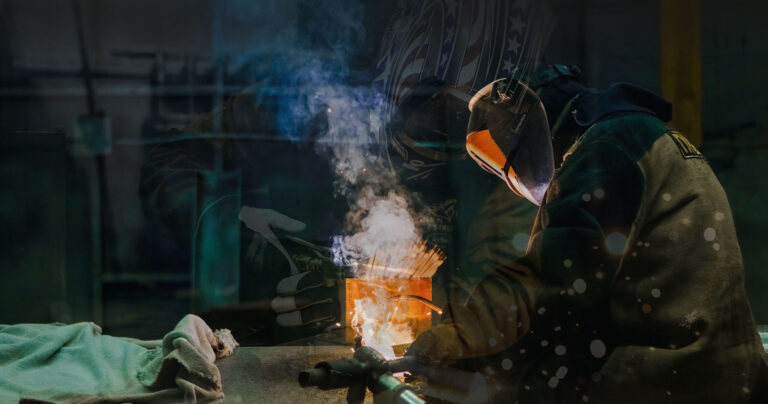
Professional welding repair restores joint strength and ensures the structure can safely handle operational loads. Skilled welders also reinforce vulnerable areas to prevent future weld failure.
Overloading of Structural Components
Industrial facilities often operate under heavy workloads, and structural steel components are designed with specific load limits in mind. When these limits are exceeded, the steel structure can deform or crack.
Overloading may occur due to equipment upgrades, increased production demands, or improper weight distribution. In some cases, additional machinery or storage loads are added without considering the structural capacity of existing steel supports.
When steel structures experience excessive load stress, beams may bend, connection points may weaken, and weld joints may crack. Structural reinforcement welding can strengthen load-bearing sections and restore safe operation.
Poor Initial Fabrication or Installation
Not all structural failures occur because of operational wear. Some problems originate during the fabrication or installation phase. If structural components are improperly welded, poorly aligned, or fabricated using incorrect materials, the structure may fail prematurely.
Poor fabrication often leads to uneven stress distribution within the steel framework. Over time, these weaknesses become visible through cracking, bending, or joint separation.
Professional repair services can correct fabrication flaws by reinforcing weak joints and rebuilding structural sections that were originally compromised.
Impact Damage from Equipment or Accidents
Industrial environments frequently involve the movement of heavy equipment such as forklifts, loaders, cranes, and transport vehicles. Accidental impacts with structural steel supports can cause immediate or hidden damage.
Even when impact damage appears minor, it may create stress fractures that grow over time. Bent steel members or cracked weld joints can weaken structural stability and lead to further deterioration.
Prompt structural repair ensures that impact-damaged areas are reinforced before additional stress causes larger failures.
The Importance of Early Detection
Structural steel failures rarely occur suddenly without warning. In most cases, early signs such as small cracks, unusual vibration, rust formation, or slight deformation appear first. Identifying these signs early allows facility managers to take corrective action before the problem escalates.
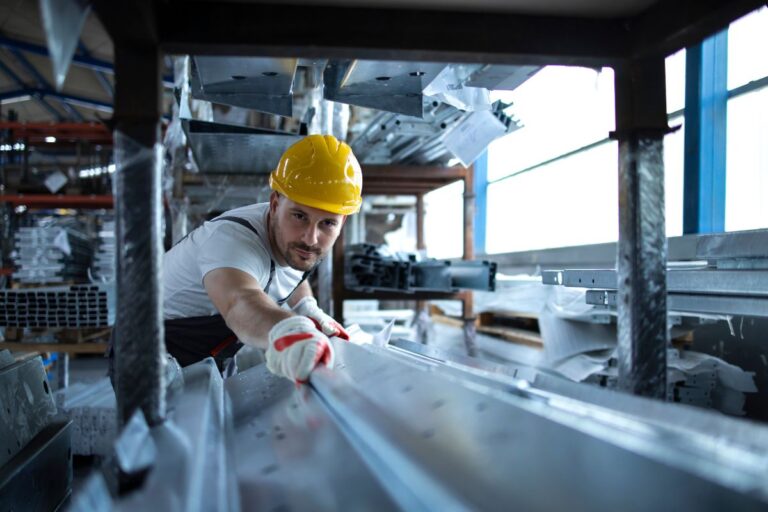
Regular structural inspections are one of the most effective ways to detect potential issues. By examining high-stress areas and weld joints, technicians can identify fatigue cracks, corrosion, or misalignment that may lead to structural failure.
Early detection significantly reduces repair costs and prevents unplanned downtime.
Preventing Structural Steel Failures
Preventive maintenance plays a major role in protecting structural steel systems. Facilities that conduct routine inspections and reinforcement repairs often experience fewer unexpected failures.
Maintenance strategies may include monitoring stress points, reinforcing vulnerable weld joints, applying protective coatings to reduce corrosion, and repairing cracks before they spread.
Structural welding repairs are often used to strengthen load-bearing areas and restore damaged components. When performed by experienced welders, these repairs can extend the lifespan of steel structures and improve overall facility safety.
Why Professional Structural Welding Matters
Repairing structural steel requires more than standard welding skills. Industrial structures must meet specific strength and safety requirements, and repairs must be capable of handling heavy loads and continuous stress.
Professional welding specialists evaluate the damage, select the appropriate welding technique, and reinforce structural components to restore full integrity. High-quality welding ensures the repaired structure performs safely and reliably under demanding operating conditions.
Final Thoughts
Structural steel is the backbone of many industrial operations, but continuous stress, environmental exposure, and operational demands can gradually weaken even the strongest materials. Understanding the common causes of structural steel failure allows businesses to address problems early and maintain safe working environments.
For industrial facilities across Mississippi, Steampunk Fabrication provides expert heavy equipment welding and structural steel repair services designed to restore structural strength and prevent costly failures. With professional welding solutions and structural reinforcement expertise, Steampunk Fabrication helps businesses protect their infrastructure and maintain reliable operations.