

Metal fabrication is at the heart of many industries, from construction and automotive to heavy machinery. While the process is essential, it often produces significant waste if not managed well. For businesses and professionals relying on metal fabrication services in Mississippi, efficiency and sustainability go hand in hand. Minimising waste doesn’t just save money; it helps the environment and streamlines operations. Let’s explore some simple and effective ways to cut down on waste in metal fabrication work.
Focus on Better Planning and Design
A great deal of metal waste stems from poor planning. When parts are not designed to fit standard stock sizes or when changes are made mid-project, scrap material piles up fast. Investing time in careful design upfront avoids these problems. Using computer-aided design (CAD) software can help optimise layouts and reduce offcuts. Nesting parts closely together within sheets before cutting also makes full use of materials and leaves minimal scrap behind.
Use Modern Technology to Your Advantage
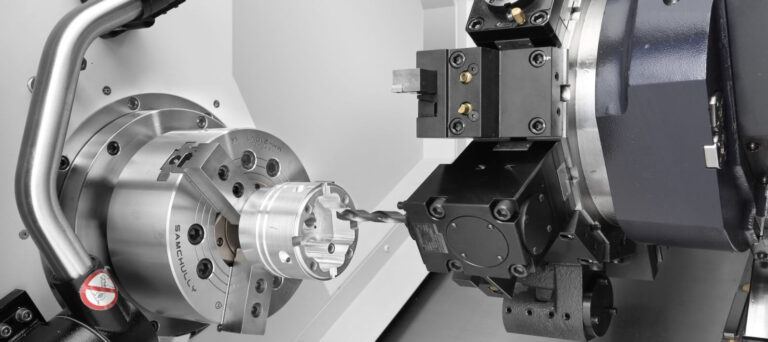
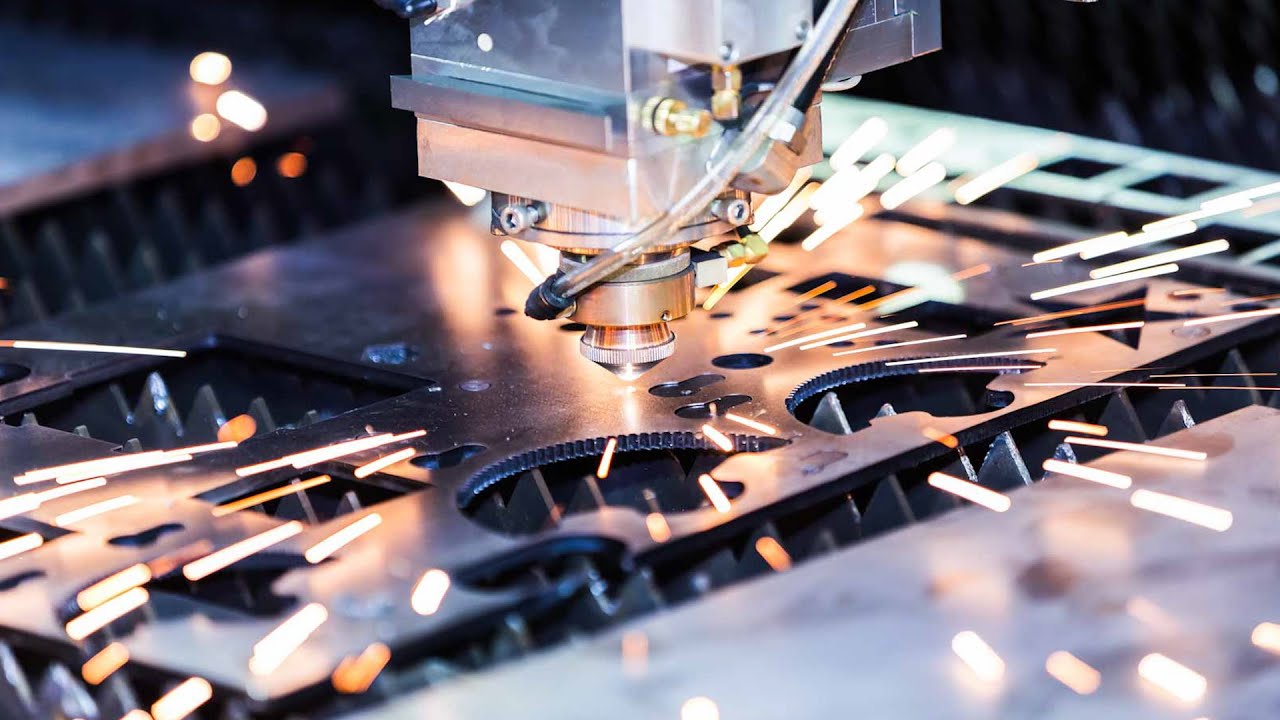
Technology plays a major role in reducing waste. Laser cutters, waterjet machines, and CNC tools offer precision that manual methods often lack. This accuracy means fewer mistakes and less scrap. Modern software also helps simulate the production process. That means any inefficiencies can be spotted early, long before they become costly. By integrating automation into fabrication lines, businesses can ensure materials are used more efficiently, resulting in cleaner processes and better outcomes.
Train Staff on Smart Practices
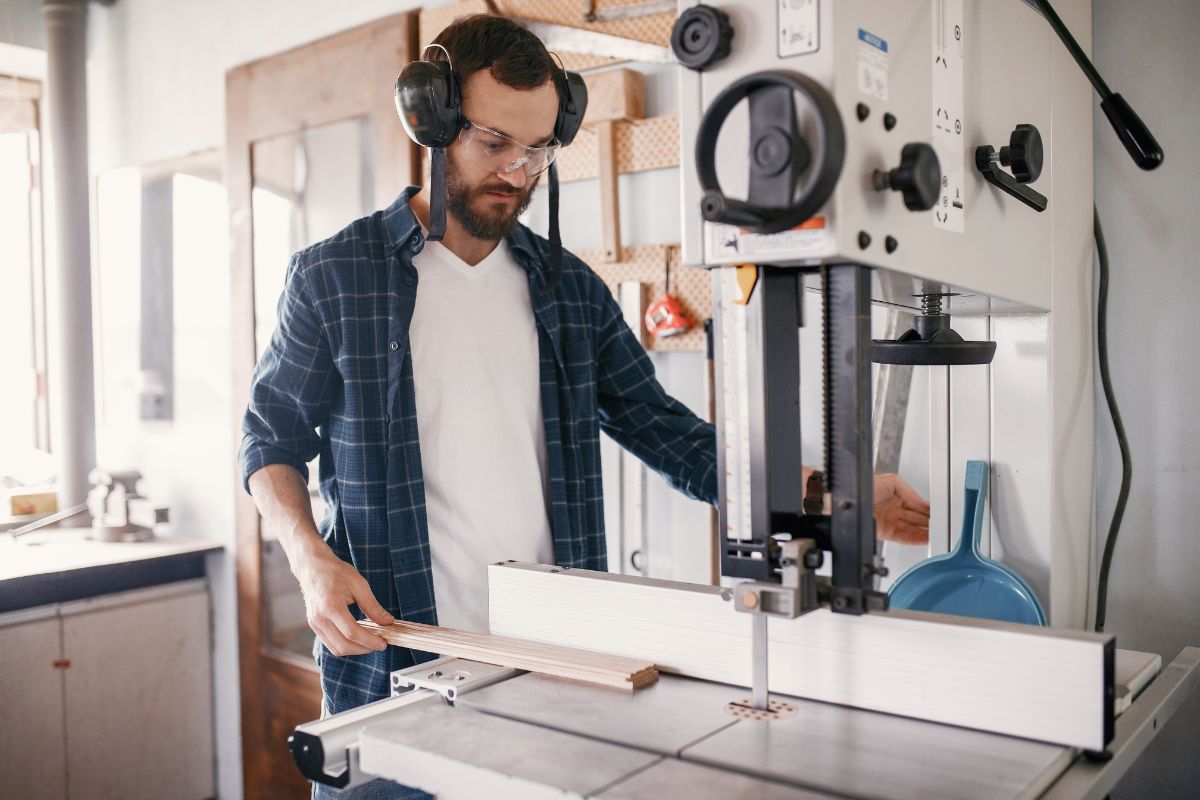
Even the best machines won’t deliver if the people using them aren’t trained well. Skilled workers who know how to handle materials carefully can prevent waste at many stages of the fabrication process. Regular training helps teams understand how to avoid common errors, work with greater accuracy, and handle materials correctly to prevent damage. Encouraging a mindset of “measure twice, cut once” is as relevant today as it’s ever been.
Buy Materials Wisely and Store Them Properly
Buying the right amount of material matters. Overstocking often leads to excess that goes unused, while understocking creates rushed reorders and wasteful cuts. Sourcing high-quality raw materials also reduces the likelihood of defects and rework. Once on-site, materials should be stored in clean, dry environments to prevent rust and warping. Proper storage means materials stay in good condition and remain usable for longer.
Recycle and Reuse Whenever Possible
Scrap isn’t always waste. Many metals, including steel and aluminium, can be reused or recycled. Instead of discarding every offcut or rejected part, look for ways to reintegrate them into future projects. Some shops keep a designated area for reusable metal, which can come in handy for smaller jobs. Partnering with local recyclers ensures that the waste that can’t be reused is at least disposed of responsibly.
Standardise Processes Across the Workshop
Standardising procedures reduces errors and helps identify what works best. When everyone follows the same methods, it’s easier to spot patterns in waste and refine processes further. Keeping consistent quality checks, using the same tools and machines, and following clear operating procedures helps reduce missteps. This consistency contributes to better use of time and materials.
Keep an Eye on Inventory and Job Data
Tracking inventory closely helps prevent over-ordering and stock loss. Many shops now use inventory management software to log every movement of materials. This not only improves visibility but also helps forecast needs based on past data. When linked to job data, material usage trends help plan future projects more accurately and reduce waste.
Reduce Rework Through Better Communication
A surprising amount of waste happens because of miscommunication—wrong measurements, incorrect designs, or unclear instructions. By fostering open lines of communication between designers, engineers, and floor staff, these errors can be reduced. Holding quick project meetings or using shared digital platforms for updates ensures everyone stays informed and aligned. Reducing the need to redo work keeps materials and time from going to waste.
Maintain Equipment Regularly
Dull tools and misaligned machines can create more waste than one might expect. Regular maintenance ensures that equipment performs at its best. Tools that cut cleanly and machines that operate with precision help reduce mistakes, material loss, and rework. A simple routine check can prevent small problems from growing into big, wasteful ones.
Think Long Term with Sustainability Goals
Setting long-term goals around sustainability can drive continuous improvements. Reducing waste is often a step-by-step process rather than a quick fix. Over time, adopting small changes—like switching to more efficient machines or training staff regularly—can build a culture where waste is actively avoided. Having targets to work toward keeps everyone motivated and focused on responsible production.
Final Thoughts
Waste reduction in metal fabrication doesn’t require sweeping changes or expensive overhauls. Often, the most effective improvements come from planning better, communicating more clearly, and using technology smartly. Every small step counts.
If you’re looking to improve how your workshop handles waste or exploring better approaches through metal fabrication services in Mississippi, consider starting with a few of the methods shared here. For expert guidance and practical solutions tailored to your needs, get in touch today. Let’s work together to make metal fabrication cleaner, smarter, and more efficient.