

When you’re planning a project that involves custom metalwork, one of the first questions that comes to mind is: how long will it take? Whether you’re ordering a single prototype or hundreds of parts, timelines matter. For those working with custom metal fabrication services in Mississippi or elsewhere, understanding the production process helps set realistic expectations.
Each custom part is unique, and the time it takes depends on several variables. From the complexity of the design to the type of metal used, every factor plays a role in shaping the timeline. Let’s walk through the key stages involved and how each can impact delivery.
Understanding the Scope of Work
The journey starts with the design. Clients typically approach fabricators with drawings, CAD files, or rough sketches. Translating those ideas into production-ready blueprints takes time. If changes or clarifications are needed, this step may stretch over several days.
Once the design is finalized, the fabricator evaluates the scope. Are the parts large or small? Will they require welding, laser cutting, bending, or powder coating? Each of these services adds a layer of complexity. For a basic sheet metal cut, it might only take a few days. But for a custom bracket with precise bends and surface finishing, expect a longer lead time.
Availability of Materials
Another important factor is material sourcing. Many shops keep a stock of standard metals like aluminum, mild steel, and stainless steel. If your part uses one of these, production can begin quickly. However, if you request a rare alloy or high-grade metal, time must be allocated to order and receive it from suppliers.
Material shortages, which still affect global supply chains from time to time, can also cause delays. Communicating upfront about material preferences helps shops forecast delivery times more accurately.
Production Queue and Shop Capacity
Even the best-equipped metal fabrication facility can only handle so many orders at once. If a shop is working on large-scale industrial projects, smaller custom jobs may be placed in a queue. It’s worth asking early about lead times and whether any rush options are available.
Turnaround can vary depending on whether the job is being handled in-house or sent to partner shops for specialty services like CNC machining or powder coating. If everything is done under one roof, things tend to move faster. But in cases involving subcontractors, coordination takes more time.
The Role of Technology
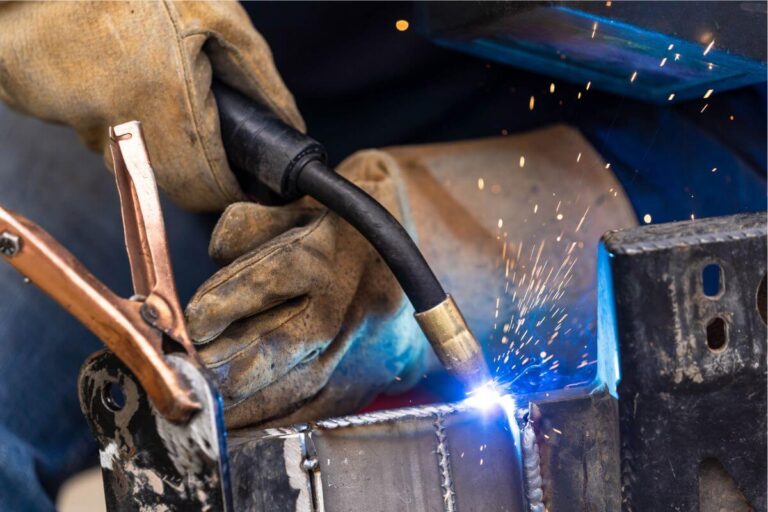
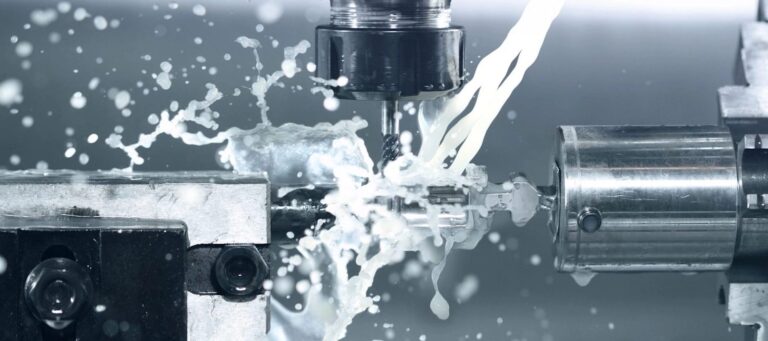
Modern fabrication shops rely on advanced machinery and software. CNC lasers, waterjets, and robotic welders have reduced lead times significantly. Still, even with automation, setup and programming are required. For one-off custom parts, setting up machines can take as long as the fabrication itself.
For repeat orders or parts that become part of a product line, initial setup pays off over time. Once the program is written and tools are calibrated, the process speeds up considerably. So, if you’re planning future runs, let your fabricator know—they can often store files and settings for fast reorders.
Finishing and Quality Checks
Fabrication doesn’t end once the metal is shaped. Parts often require surface treatments like powder coating, painting, or polishing. These steps involve curing or drying times and can’t be rushed without affecting the finish.
After fabrication and finishing, reputable shops carry out quality checks. Dimensions are verified, welds are inspected, and surfaces are examined for imperfections. This ensures the part meets specifications and performs as expected once installed. Depending on how detailed these inspections are, they can add one to three days to the process.
Shipping and Delivery
Once the part is approved, it needs to be packed and delivered. If you’re located close to the shop, local delivery might take a day or two. For clients in different states or working on tight deadlines, expedited shipping is often an option but comes at a cost.
It’s also worth noting that the packing process for heavy or delicate parts can take longer than expected. Crating, foam inserts, and securing items properly are all essential for preventing damage in transit.
So, What’s the Average Timeline?
For a simple custom part using standard materials and minimal post-processing, you might get it in 5 to 7 business days. More complex orders, especially those involving custom tooling, special coatings, or large quantities, could take 2 to 4 weeks.
Planning ahead is crucial. Fabricators appreciate clients who communicate timelines clearly. It allows everyone to align expectations and avoid last-minute surprises. If a specific deadline is non-negotiable, mention it at the very start.
Wrapping Up
Working with custom metal fabrication services Mississippi or anywhere else requires a clear understanding of each step. While turnaround times vary, the key is good communication. The more accurate your design and requirements, the smoother the process will be.
Need a custom part made and want to know how long it might take? Reach out today to discuss your needs and get a clearer timeline.