

Understanding the difference between millwright services and maintenance technicians can help you make better decisions, avoid unnecessary downtime, and protect your equipment investment.
Understanding the Role of a Maintenance Technician
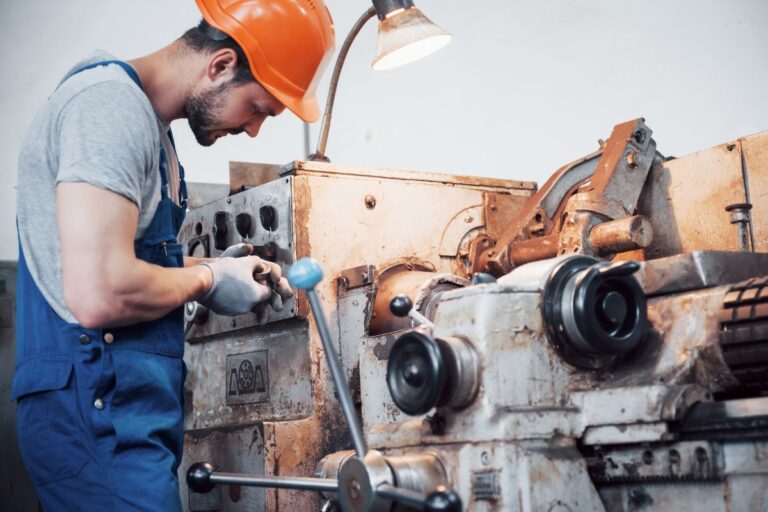
Maintenance technicians are responsible for the day-to-day upkeep of industrial equipment. Their work focuses on keeping machinery operational through routine checks and minor repairs.
Common Responsibilities of Maintenance Technicians
Routine equipment inspections
Lubrication of moving parts
Belt, hose, and filter replacements
Basic mechanical adjustments
Monitoring equipment performance
Addressing minor operational issues
Maintenance technicians play a crucial role in preventing small issues from becoming larger problems. However, their scope of work is generally limited to routine and non-complex tasks.
What Are Millwright Services?
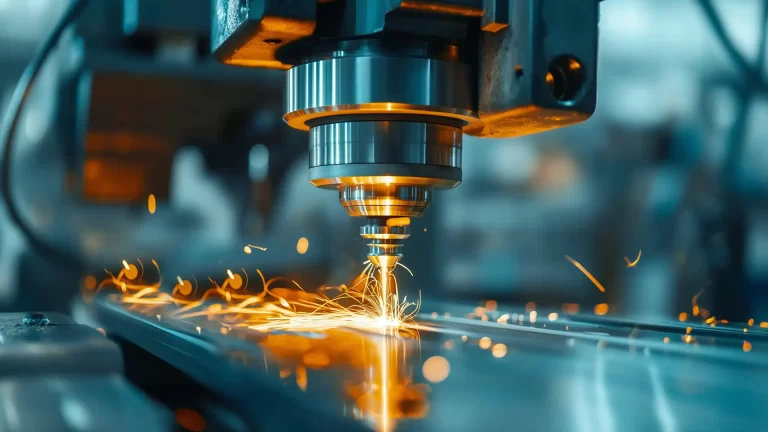
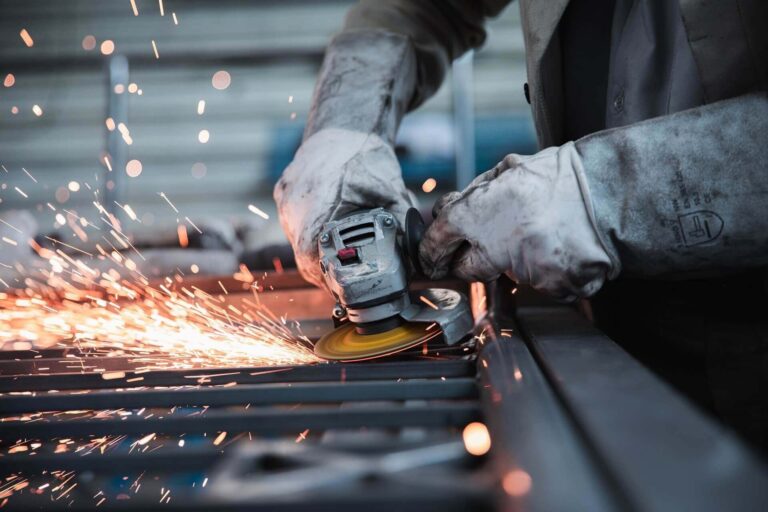
Millwright services focus on specialized mechanical work involving heavy industrial machinery. Millwrights are trained to handle complex installations, precision alignment, major mechanical repairs, and equipment relocation.
Millwright work requires advanced technical knowledge, specialized tools, and experience with large-scale mechanical systems. These services are critical during installation, upgrades, shutdowns, and when equipment performance issues persist despite routine maintenance.
Key Differences Between Millwrights and Maintenance Technicians
Although both roles support industrial operations, their responsibilities and expertise differ significantly.
1. Scope of Work
Maintenance technicians focus on ongoing upkeep, while millwrights handle complex mechanical tasks such as:
Machinery installation and commissioning
Precision alignment and leveling
Major mechanical repairs
Equipment relocation and rigging
2. Level of Technical Expertise
Millwrights undergo specialized training to work with heavy industrial equipment, tight tolerances, and advanced mechanical systems. Maintenance technicians typically address less technical tasks that do not require precision alignment or complex calculations.
3. Equipment Complexity
Maintenance technicians usually service operational equipment. Millwrights work with large, high-value machinery where improper handling can cause serious damage or safety risks.
4. Tools and Techniques
Millwrights use specialized alignment tools, rigging equipment, and measurement instruments to ensure accuracy. Maintenance technicians rely on general tools for inspections and basic repairs.
5. Risk and Responsibility
Millwright work often involves higher risk due to heavy loads, complex installations, and critical machinery. Precision errors can lead to costly downtime, making millwright expertise essential for high-impact tasks.
When Maintenance Technicians Are the Right Choice
Maintenance technicians are ideal for:
Routine inspections and servicing
Lubrication and minor adjustments
Replacing worn belts, hoses, or components
Monitoring equipment performance
Addressing small operational issues
For day-to-day equipment care, maintenance technicians help ensure smooth operations and early detection of problems.
When You Need Professional Millwright Services
Millwright services are essential when dealing with tasks that exceed routine maintenance.
Situations That Require a Millwright
Installing new industrial machinery
Relocating or upgrading equipment
Correcting alignment or vibration issues
Performing major mechanical repairs
Supporting plant shutdowns or turnarounds
Troubleshooting recurring mechanical failures
In these situations, millwright expertise ensures work is completed safely, accurately, and in compliance with manufacturer specifications.
The Cost of Choosing the Wrong Service
Relying on maintenance technicians for complex mechanical work can lead to:
Improper equipment installation
Misalignment and excessive vibration
Increased wear and tear
Higher energy consumption
Repeated breakdowns and downtime
While maintenance technicians are invaluable, they are not a replacement for professional millwright services when precision and expertise are required.
How Millwright Services Improve Long-Term Equipment Performance
Professional millwrights focus on the root causes of mechanical issues, not just surface-level symptoms. Their work helps:
Extend equipment lifespan
Improve operational efficiency
Reduce unexpected downtime
Lower long-term repair costs
Enhance workplace safety
Facilities that invest in millwright services experience fewer emergency repairs and more predictable maintenance schedules.
Using Both Roles Together for Best Results
The most successful industrial facilities understand that maintenance technicians and millwrights complement each other. Maintenance technicians handle routine upkeep, while millwrights address specialized mechanical needs.
By combining both roles, facilities benefit from:
Proactive equipment care
Faster issue resolution
Improved reliability
Reduced operational risk
This balanced approach supports long-term productivity and equipment performance.
Choosing the Right Industrial Partner
Selecting the right service provider depends on the nature of the work. For routine tasks, maintenance technicians are sufficient. For installations, alignments, and major mechanical projects, millwright services are essential.
Working with experienced millwright professionals ensures that complex tasks are completed correctly the first time, preventing costly mistakes and delays.
Final Thoughts
Understanding the difference between millwright services and maintenance technicians empowers facility managers to make informed decisions. While maintenance technicians keep equipment running day to day, millwrights provide the specialized expertise needed for complex industrial machinery.
For industrial operations across Mississippi, Steampunk Fabrication offers professional millwright services designed to support heavy equipment installation, precision alignment, and long-term machinery performance. Partnering with experienced millwrights helps protect your equipment investment and keep operations running efficiently.