Structural steel forms the backbone of industrial facilities and heavy equipment. From load-bearing beams and machinery frames to support structures and welded joints, steel components are designed to handle intense operational demands. However, over time, constant stress, vibration, environmental exposure, and heavy loads can cause structural damage that may not always be immediately visible.
Ignoring early signs of structural steel damage is one of the most dangerous decisions in any industrial or construction setting. What begins as a small crack or minor corrosion issue can quickly escalate into a serious safety hazard, leading to equipment failure, workplace accidents, and costly downtime.
Understanding the safety risks of ignoring structural steel damage helps businesses take proactive measures to protect both their workforce and their operations.
Structural Integrity Directly Impacts Workplace Safety
Every piece of heavy equipment and every steel structure in an industrial facility is designed with specific load-bearing limits. When structural damage occurs, these limits are compromised.
Cracks, weakened weld joints, or corroded steel reduce the ability of components to carry weight safely. As a result, even normal operational loads can push damaged structures beyond their capacity.
This creates a high-risk environment where failure can occur unexpectedly, putting workers, operators, and surrounding equipment in danger.
Increased Risk of Equipment Failure
Heavy equipment relies on strong structural components to maintain stability during operation. When structural steel begins to weaken, machinery becomes more vulnerable to failure under stress.
For example, a crack in a load-bearing frame or boom can expand rapidly during operation. Under continuous pressure, the damaged section may eventually fail, causing the equipment to collapse or malfunction.
Such failures not only damage the machine but also create immediate safety hazards for nearby workers. In high-risk environments, even a single structural failure can lead to serious consequences.
Hidden Damage Can Lead to Sudden Collapse
One of the most dangerous aspects of structural steel damage is that it is not always visible. Micro-cracks, internal fatigue, and early-stage corrosion can develop beneath the surface without obvious signs.
Over time, these hidden defects grow larger until the structure reaches a breaking point. Because the damage was not detected early, failure often occurs suddenly and without warning.
Sudden collapse of structural components can result in severe injuries, equipment destruction, and operational shutdowns. Regular inspection and timely welding repair are critical to preventing these incidents.
Compromised Weld Joints Increase Structural Instability
Weld joints are essential for holding structural components together. When welds weaken due to fatigue, improper installation, or long-term stress, the entire structure becomes unstable.
A compromised weld joint does not always fail immediately. Instead, it gradually transfers stress to surrounding areas, increasing the likelihood of additional cracks and failures.
Over time, this chain reaction weakens the entire structure. Without proper repair, a single failed weld can lead to widespread structural instability.
Higher Risk of Worker Injury
Safety hazards caused by structural damage directly affect workers on-site. Unstable equipment, shifting loads, and unexpected structural movement create dangerous working conditions.
Workers operating or working near damaged equipment are at increased risk of injury from falling components, collapsing structures, or sudden machine failure. Even minor structural issues can escalate into serious workplace incidents if not addressed promptly.
Maintaining structural integrity through timely welding repair is essential for ensuring a safe working environment.
Increased Vibration and Mechanical Stress
Structural damage often leads to increased vibration in heavy equipment. When weld joints weaken or frames develop cracks, the equipment loses rigidity, allowing components to move more than intended.
This additional movement creates mechanical stress on other parts of the machine, including bearings, shafts, and joints. As stress increases, the likelihood of further damage rises.
Over time, this cycle of vibration and stress can lead to multiple system failures, increasing both repair costs and safety risks.
Escalating Damage and Repair Costs
Ignoring structural steel damage does not just create safety risks—it also leads to higher repair costs over time. Small cracks can grow into major fractures, and localized damage can spread to adjacent components.
What could have been repaired quickly through welding may eventually require full structural replacement. In addition to higher repair expenses, extended downtime further increases financial losses.
Addressing damage early is always more cost-effective than dealing with large-scale structural failure.
Impact on Compliance and Safety Regulations
Industrial facilities are required to follow strict safety standards and regulations. Structural damage that compromises equipment or building integrity can lead to violations of these standards.
Failure to maintain safe equipment and structures can result in fines, legal issues, and operational shutdowns. Regular inspection and maintenance ensure compliance with safety requirements and protect businesses from regulatory risks.
Professional welding repair helps restore structural integrity and maintain compliance with industry standards.
Preventing Structural Steel Damage from Becoming a Hazard
The most effective way to reduce safety risks is through proactive maintenance and early intervention. Regular inspections allow businesses to identify cracks, corrosion, and weld issues before they become serious problems.
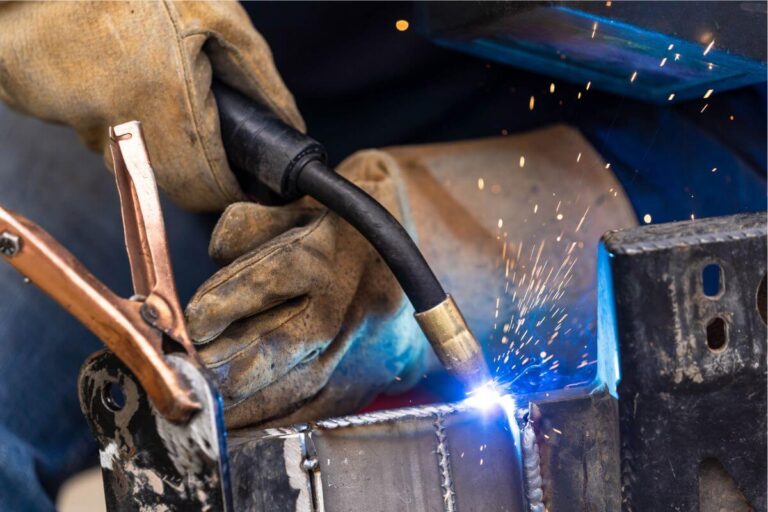
Preventive welding repairs reinforce weakened areas and restore structural strength. By addressing issues early, companies can avoid emergency situations and maintain safer working conditions.
A proactive approach not only protects workers but also improves operational efficiency and equipment reliability.
The Importance of Professional Structural Welding
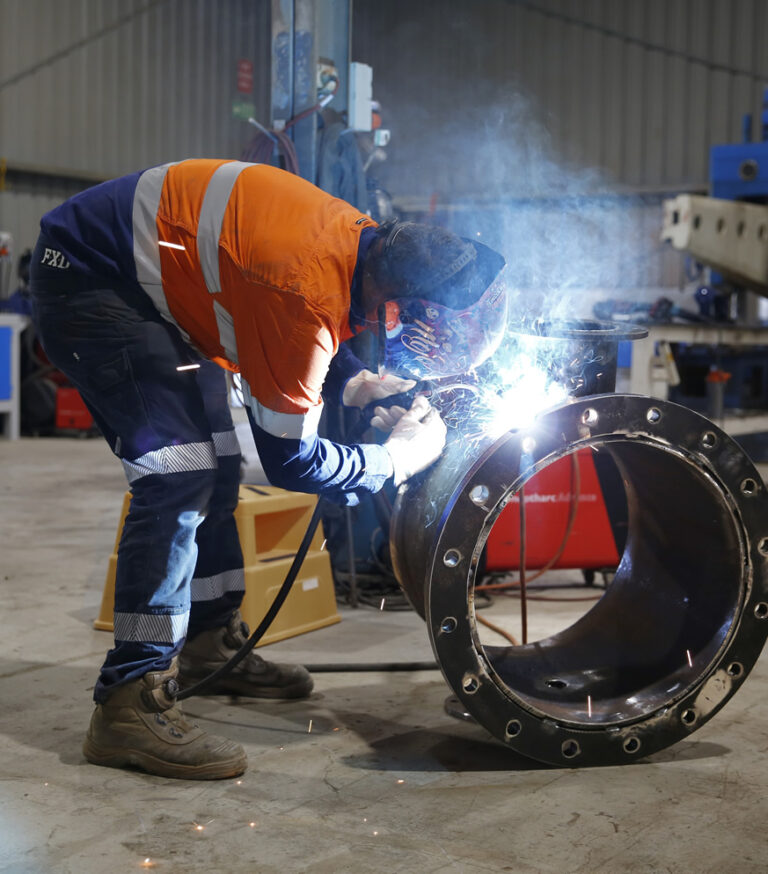
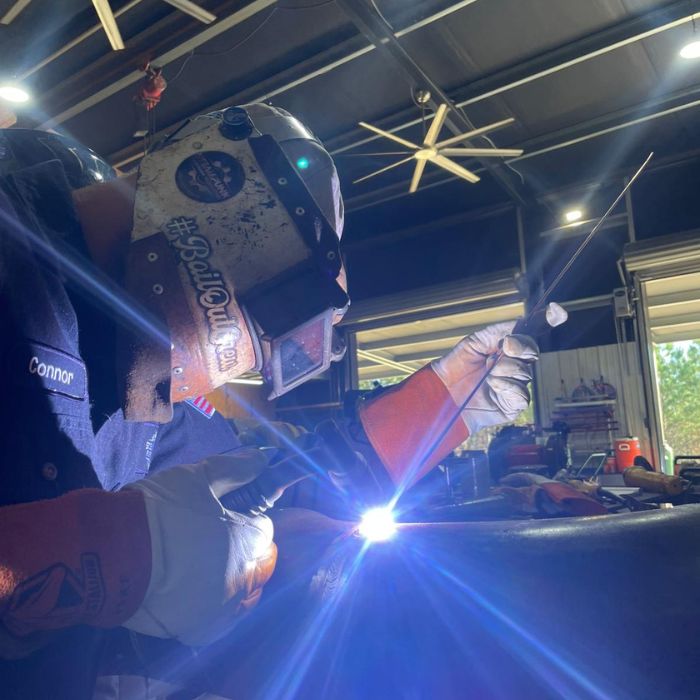
Repairing structural steel requires specialized knowledge and experience. Industrial welding must be performed using proper techniques, materials, and safety standards to ensure long-lasting results.
Professional welders understand how to restore load-bearing capacity and reinforce critical components. High-quality welding repairs not only fix existing damage but also prevent future issues from developing.
Attempting repairs without proper expertise can lead to weak welds and increased safety risks.
Final Thoughts
Structural steel damage is a serious issue that should never be ignored. What begins as a small defect can quickly escalate into equipment failure, workplace accidents, and costly downtime. Recognizing the risks and taking action early is essential for maintaining safe and efficient operations.
For industrial and construction operations across Mississippi, Steampunk Fabrication provides expert heavy equipment welding and structural steel repair services designed to restore structural integrity and reduce safety risks. With professional welding solutions and on-site support, Steampunk Fabrication helps businesses protect their workforce, equipment, and productivity.