

For a broader overview of all fabrication options, see our main guide: Metal Fabrication Services in Mississippi
.
1. What Structural Metal Fabrication Means in Practice
Structural metal fabrication refers to the design, cutting, welding, and assembly of heavy-duty steel and alloy components that form the framework of buildings, bridges, platforms, and industrial facilities. Unlike light or sheet metal fabrication, which is used for thinner materials or smaller components, structural fabrication handles large beams, columns, trusses, and plates that must carry heavy loads.
Whereas custom metal fabrication focuses on unique, small-scale or specialized designs, structural fabrication deals with scale and durability. It’s the difference between making a custom railing and producing the full steel skeleton of the building that railing attaches to.
2. Mississippi Industries That Rely on Structural Fabrication
Structural metal fabrication supports nearly every sector of Mississippi’s economy. Some of the most common industries include:
Construction & Infrastructure
Commercial buildings, warehouses, stadiums, bridges, and municipal facilities rely on structural steel frameworks. Fabrication shops cut, weld, and prepare steel elements that can be transported to job sites for assembly and erection.
Energy & Utilities
Power plants, refineries, and utility facilities require fabricated steel supports, access platforms, piping racks, and heavy-duty frames that can handle significant vibration, temperature fluctuations, and continuous operation.
Manufacturing & Processing
Factories and processing plants depend on mezzanines, conveyors, custom support platforms, and safety walkways fabricated from structural steel to optimize production while maintaining safety.
Agriculture
From grain elevators and feed mills to storage barns and irrigation structures, Mississippi’s agricultural economy uses fabricated steel to build durable, weather-resistant frameworks capable of handling large loads in demanding environments.
3. Processes & Technology Behind Structural Fabrication
Structural fabrication is not just about welding big pieces of steel together. It involves a wide range of processes, each selected based on the size of the project, the type of material, and the desired final application.
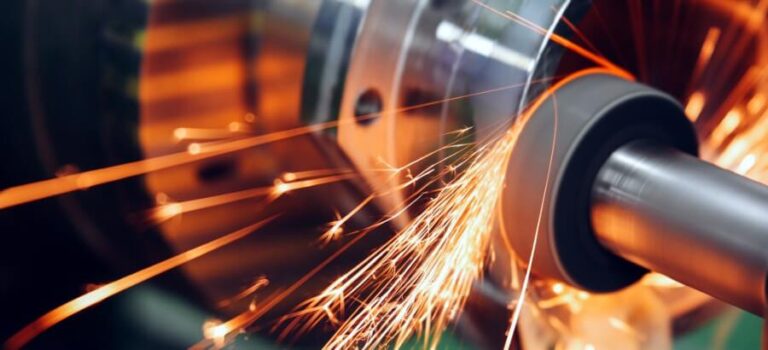
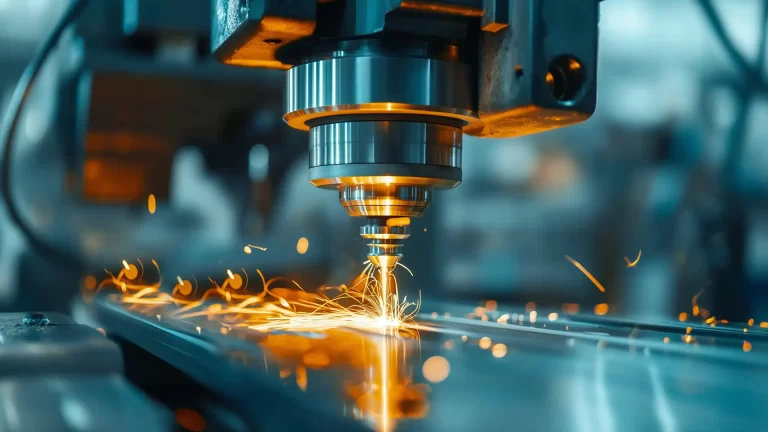
Cutting Methods: Heavy plate and beams are often cut using plasma or oxy-fuel torches, though waterjet cutting may be used where material integrity is a concern.
Forming & Rolling: Beams, channels, and tubes can be rolled or bent into specific shapes for curved structures or specialized support frames.
Welding & Assembly: Strong weld joints hold structural members together. Assembly may include trial fits in the shop to confirm accuracy before shipping.
Surface Preparation & Coating: Sandblasting, priming, galvanizing, or powder coating extend the life of the finished structures, especially in humid or coastal areas.
Structural fabrication often overlaps with custom fabrication, especially when facilities require unique layouts. That’s why many businesses combine large-scale structural work with smaller, precision-built components in a single project.
4. Material Selection for Mississippi Environments
Mississippi’s climate creates specific challenges for structural steel. High humidity, frequent rain, and coastal exposure near the Gulf of Mexico can accelerate corrosion. Selecting the right material and finish is essential.
Carbon Steel: Commonly used for buildings and general frameworks due to affordability and strength. It should be paired with protective coatings when exposed to the elements.
Stainless Steel: Ideal for corrosive environments, such as near chemical plants or coastal regions. It resists rust and requires less long-term maintenance.
Aluminum: Lightweight and corrosion-resistant, often used for walkways, access platforms, and areas where weight is a concern.
Protective Finishes: Hot-dip galvanizing and powder coating (especially AAMA-certified grades for exterior use) are highly recommended to extend service life in Mississippi’s climate.
5. Quality Assurance in Structural Fabrication
Because structural components support heavy loads and human safety, quality assurance is critical. Fabricators in Mississippi often follow these steps to ensure reliable results:
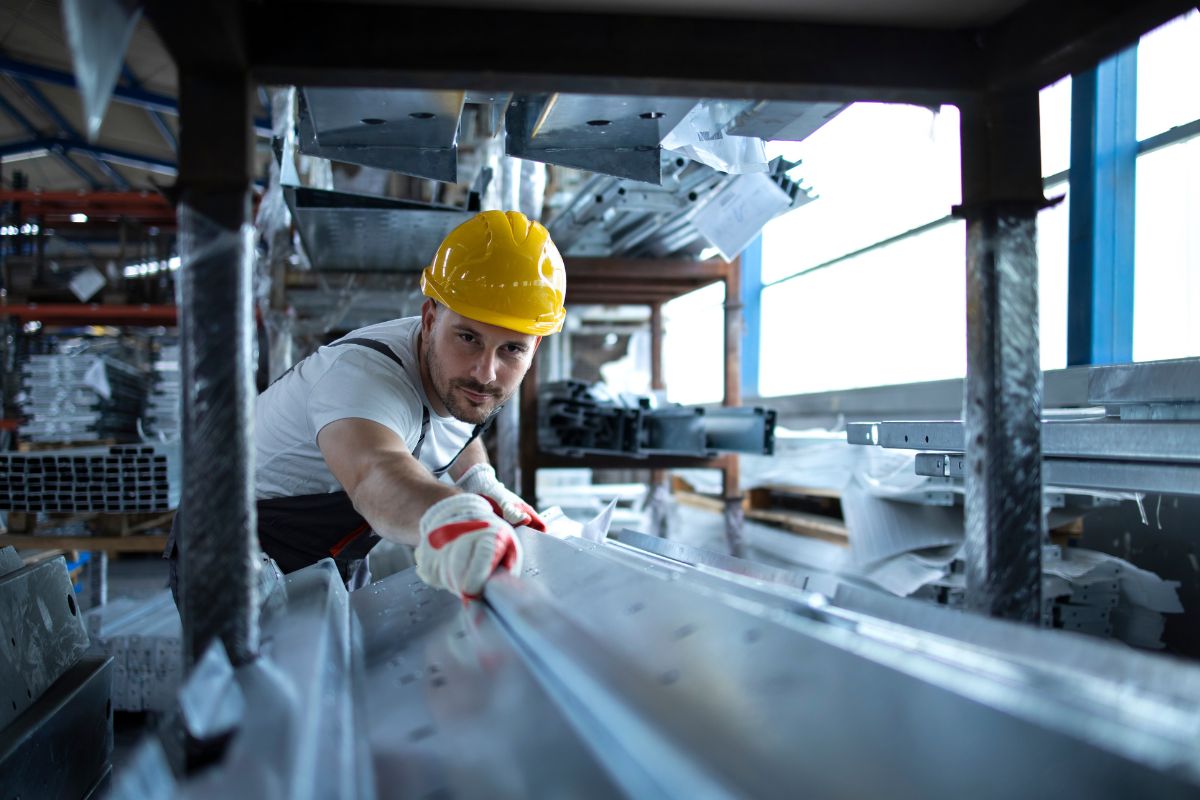
Dimensional Inspections: Checking that fabricated beams, columns, or platforms match the drawings and fit together during assembly.
Weld Inspections: Ensuring welds are consistent, clean, and capable of carrying the designed loads.
Material Verification: Confirming that the delivered steel matches the required grade and thickness.
Trial Fitting: Pre-assembling large structures in the shop to confirm alignment before shipping to the field.
These steps reduce costly delays during installation and ensure that the final structure is safe and reliable.
6. Lead Times, Logistics & Erection in Mississippi
Structural fabrication projects often have longer lead times than small-scale custom work. Large assemblies require multiple stages — cutting, welding, coating, and transport. Lead times may range from several weeks for small frames to several months for large-scale projects.
Transportation is also a major consideration. Oversized beams or preassembled structures may require special trucking permits and careful coordination with Mississippi’s highway transport regulations. Fabricators also coordinate with crane operators and erection crews to schedule safe, efficient installation at the job site.
7. Cost Drivers in Structural Fabrication
Several factors influence the cost of structural fabrication in Mississippi:
Material Market Conditions: Steel prices fluctuate frequently, making timing an important factor in project budgeting.
Design Complexity: More intricate structures require additional cutting, welding, and finishing steps.
Labor Intensity: Projects with heavy welding or complex assemblies increase shop hours.
Finishes & Protection: Galvanizing and specialized coatings add cost but dramatically extend service life.
Logistics: Oversized transport and crane work can be significant cost drivers, especially for rural or hard-to-reach project sites.
By planning material purchases and logistics early, businesses can manage costs more effectively.
8. Case Applications in Mississippi
A. Industrial Processing Platform
A chemical processing facility in Mississippi needed elevated platforms for equipment access. Fabricated carbon steel frames were hot-dip galvanized and shop-assembled before delivery, ensuring quick installation with minimal downtime.
B. Agricultural Storage System
A grain elevator project required heavy-duty supports for storage silos. The fabrication team delivered large structural frames, coated for weather resistance, and designed for decades of reliable service.
C. Municipal Bridge Project
A regional bridge replacement involved prefabricated steel beams fabricated in sections and transported to the job site. Shop trial fits reduced onsite adjustments and allowed for timely completion.
9. Structural Fabrication vs. CNC/Precision Fabrication
While structural fabrication focuses on large-scale frameworks and assemblies, CNC and precision fabrication specialize in smaller parts that require tight tolerances. The two processes often work hand in hand:
Structural fabrication provides the skeleton of a facility or structure.
Precision fabrication delivers the brackets, fixtures, or custom components that attach to it.
Conclusion
Structural metal fabrication is more than just cutting and welding steel — it is the foundation of Mississippi’s growth in construction, industry, and agriculture. By choosing the right materials, applying protective finishes suited for humid and coastal climates, and working with experienced fabricators who understand logistics and quality assurance, businesses can ensure their projects are built to last.
Looking for a fabrication partner who can handle both large-scale structural work and custom details? Explore our Metal Fabrication Services in Mississippi to see how Steampunk Fab can support your next project.