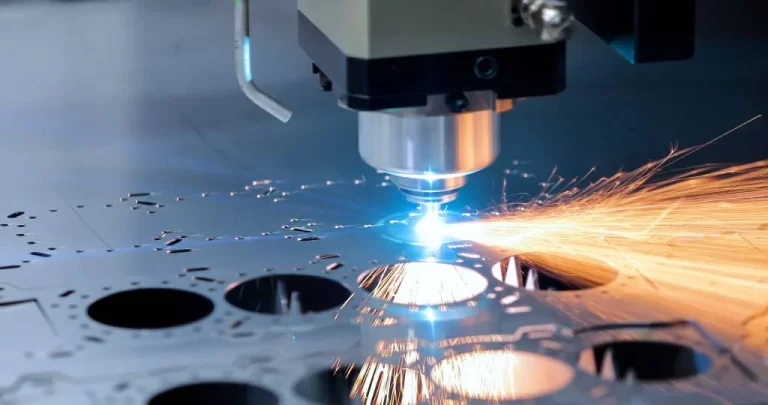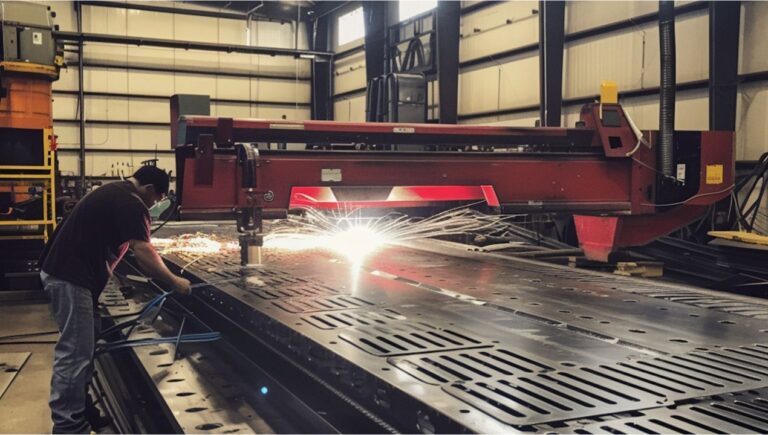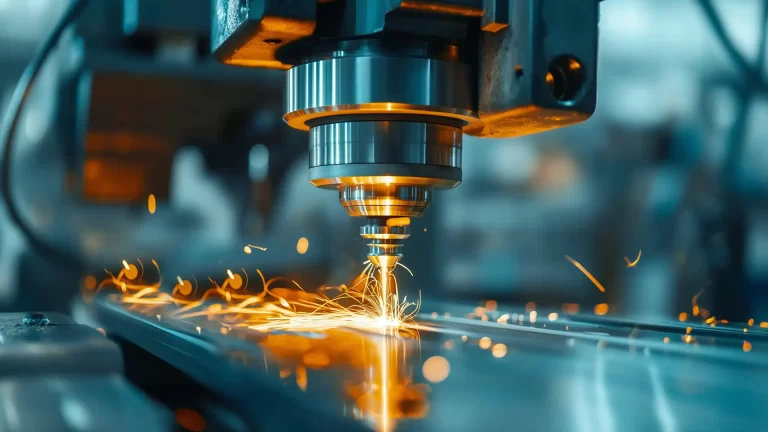

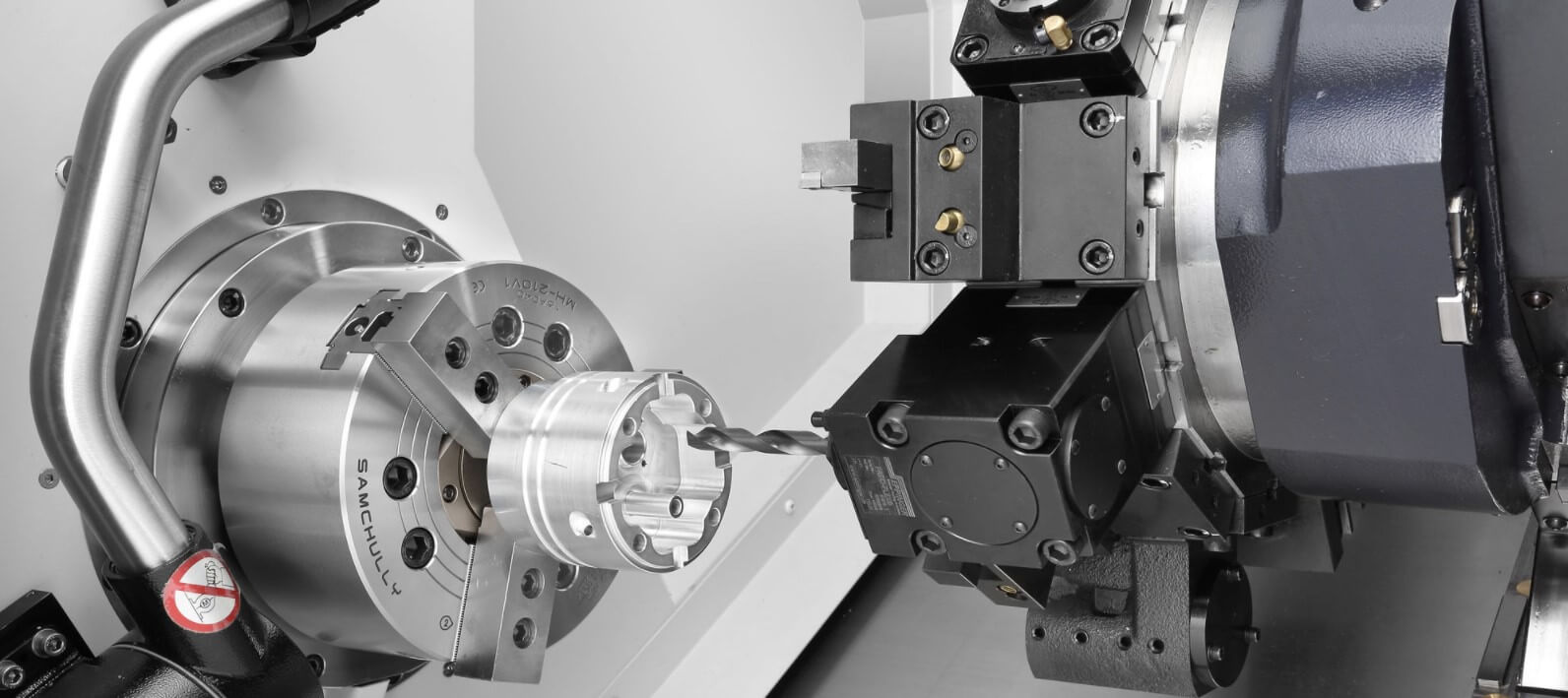
CNC machining has transformed the way we approach manufacturing, enabling precision, repeatability, and efficiency. Whether you are in aerospace, automotive, or custom parts manufacturing, getting top-tier results from CNC machining depends on several key factors. For those seeking CNC machining services Mississippi, knowing how to ensure high-quality output can make a significant difference in both cost and performance.
Understanding what affects quality and how to manage each stage of the machining process is vital for success. Below are essential tips to help you get the best results.
Choose the Right Materials
Not all materials are created equal when it comes to CNC machining. The type of metal or plastic you choose will directly influence the machine’s performance, the finish quality, and the durability of the final product. Metals like aluminium and brass are easier to machine and often deliver cleaner results. Harder materials such as stainless steel may require special tools or slower speeds.
Always discuss with the service provider to confirm which material suits your design, function, and cost considerations. Compatibility between material properties and machine capabilities is the foundation for quality machining.
Optimize Your Design
Before the machine even starts running, quality begins at the design phase. An overcomplicated design may require unnecessary tooling changes or increase the risk of errors. Designing with manufacturability in mind can lower production time and boost accuracy.
Use tolerances appropriately and avoid tight ones unless they are absolutely essential. Include radii where possible to accommodate tooling and reduce stress concentrations. A cleaner, more functional design will always yield better machining results.
Use Detailed CAD Models
Precision relies on detailed and well-prepared CAD models. Clear dimensions, proper tolerances, and thoughtful features can all impact how effectively a CNC machine can reproduce the part. A vague or incomplete file may lead to misinterpretation, miscuts, or additional cost.
Incorporating GD&T (Geometric Dimensioning and Tolerancing) standards also adds clarity and ensures the final part matches your intent. Communicating everything in the model helps avoid back-and-forth and potential delays.
Ensure Correct Tool Selection
The tools used in CNC machining directly affect surface finish and tolerance. Choosing the correct cutter size, type, and coating for the specific material is critical. If improper tools are selected, it can lead to chatter, tool wear, or poor-quality cuts.
Tool geometry should match the material and the operation, whether that’s milling, drilling, or turning. Sharp, well-maintained tools also reduce machining time and result in a better finish.
Calibrate and Maintain the Machines
A high-end CNC machine will only perform as well as its maintenance schedule allows. Misalignment, vibration, or tool wear can all reduce the accuracy of the part. Regular calibration ensures that movements remain within tight tolerances.
Work with service providers who follow consistent inspection and calibration practices. Equipment that is out of alignment can turn a perfectly good design into a flawed product. Maintenance isn’t just routine, it’s essential to performance.
Mind the Speeds and Feeds
One of the critical factors in machining is controlling the speeds (spindle RPM) and feeds (movement speed of the tool). Incorrect settings can result in burns, rough surfaces, or premature tool breakage. For optimal results, these parameters must match the tool, material, and cut type.
Machinists who pay attention to detail will adjust these values based on the job. It’s a sign of expertise and care, and it shows a commitment to quality. Automated systems help, but experience in tuning these values manually can make all the difference.
Monitor Quality Control Throughout
A single inspection at the end of the process isn’t enough. Quality control should be integrated at every stage. This includes checking the initial raw material, validating setup, conducting in-process inspections, and final part validation.
Modern CNC services may use CMMs (Coordinate Measuring Machines) or laser scanners to check accuracy. Reviewing samples regularly helps catch issues before they become costly mistakes. Quality is not just the final check; it’s a continuous effort.
Communicate Clearly with the Machinist
Quality often hinges on communication. Ensure you’re on the same page with your machining service provider. Clearly state your expectations, tolerances, surface finish requirements, and timelines.
Effective communication reduces the chance of errors and helps build trust. A good machinist can provide feedback on how to improve design, reduce cost, or enhance performance. Being open to their advice often leads to better outcomes.
Final Thoughts
Getting the best quality from your machining service doesn’t happen by accident. It’s the result of thoughtful design, good communication, precise tools, and expert handling. From material choice to quality checks, every step influences the outcome.
When we look for CNC machining services Mississippi, the goal should be consistency, precision, and reliability. By following the tips outlined above, anyone can take full advantage of what CNC machining can offer.
If you’re starting a project and want expert guidance, now is the time to act. Reach out to a trusted provider and start your journey toward precision engineering done right.