
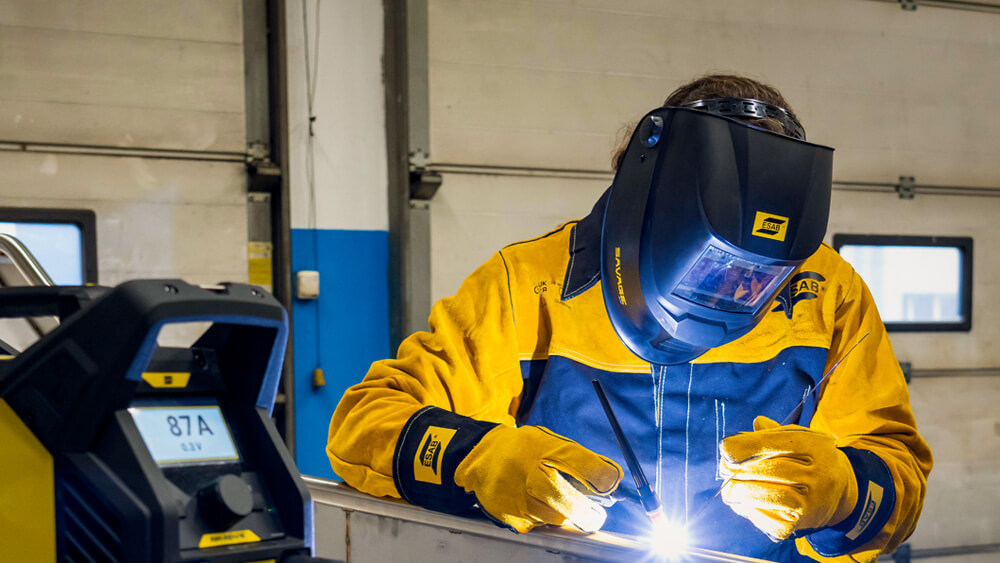
If you’ve ever been part of a welding and fabrication shop MS, you know that time and quality both matters. A faster weld doesn’t mean much if it creates mess, spatter, or weak joints. The real challenge lies in doing it right and doing it quickly. Whether you’re dealing with mild steel, stainless, or aluminum, small changes in your approach can bring big improvements to speed and finish.
This article explores the best methods and habits that help welders improve output without compromising on quality. These tips can help anyone looking to streamline their workflow, reduce rework, and get more done on the shop floor.
Start with Clean Materials
Welding on dirty, rusty, or oily metal is like painting over dust. It sticks poorly and looks worse. Starting with clean metal reduces resistance, spatter, and weak welds. A quick run with a wire brush, grinder, or acetone-soaked rag can save plenty of cleanup time later. Prepping your surfaces properly also reduces the chances of defects that will need to be corrected later.
Adjust Your Settings for the Material
Speed in welding comes from knowing your machine and your materials. Mild steel needs different voltage and wire speed settings than aluminum. Always test on a scrap piece first to dial in the heat. Getting it right from the start cuts down on passes, grind-backs, and surprises. It also results in smoother beads and less post-weld grinding.
Work on Your Technique
A steady hand means fewer stop-starts and cleaner welds. Practice running consistent beads before tackling production jobs. Positioning your body correctly makes a surprising difference. Elbows supported, helmet angle adjusted, and having your work positioned at a comfortable height can help you focus more on accuracy than balance. A good setup is half the battle.
Use the Right Wire and Gas Combo
Matching your filler material and shielding gas to the base metal is key. The wrong gas blend can cause porosity or excess spatter. This creates more cleanup work and weakens your welds. If you’re welding outside, consider flux-core wire to avoid gas dispersion. Every small improvement here reduces time spent fixing surface defects later.
Tack Weld Strategically
Tack welds don’t just hold your work in place. They can prevent distortion and keep seams tight during long weld runs. Strategic tacking keeps parts aligned and reduces gaps. When done right, this trick minimises warping and post-weld corrections. Tacking evenly from the centre outwards is a method many experienced welders rely on to get faster results with consistent alignment.
Minimise Movement
Every time you stop to reposition your workpiece or adjust your stance, you’re losing time. Plan your weld runs so you can move fluidly from one point to the next. Clamps, magnets, and jigs help keep work steady and reduce the need for constant repositioning. Planning weld sequences before you strike the arc can also shorten total job time significantly.
Let the Tool Do the Work
Trying to force a weld leads to irregular beads and more grinding. A smooth feed and steady travel speed allow your equipment to do its job. Trust your machine’s power and let it melt the wire into the joint at its own pace. Pushing or pulling at the wrong angle can slow things down and create uneven results.
Use a Chipping Hammer and Wire Brush Efficiently
If you’re stick welding or using flux-core wire, slag removal is a must. But don’t waste time scrubbing endlessly. Let your weld cool slightly, then use short, firm taps with a chipping hammer. A wire brush clears the rest. If slag is stubborn, your amperage might be too low, or your technique might need a tweak.
Keep a Routine Maintenance Schedule
A poorly maintained welder can cause endless issues. Dirty nozzles, worn tips, and loose connections lead to arc instability, more spatter, and downtime. Check cables, change consumables regularly, and keep your machine clean. Preventative care takes minutes but can save hours across a busy week in the shop.
Organise Your Workspace
A cluttered shop slows everything down. Tools should be within reach, cords should be untangled, and safety gear should be in its spot. Organizing your work area isn’t just about neatness. It improves your rhythm, reduces distractions, and cuts down on trips back and forth. Efficiency often starts with having the right tool at the right time.
Practice Makes Permanent
Speed is a byproduct of skill. The more you weld, the better your hands get at guiding the arc precisely. Making good technique second nature allows you to move quicker without sacrificing quality. Over time, these small seconds add up. Whether you’re working on structural beams or custom brackets, your efficiency improves naturally with repetition.
Final Thoughts
Working in a busy welding and fabrication shop MS has taught me that faster work doesn’t mean rushing, it means refining. Clean prep, good setup, steady technique, and the right tools make all the difference. These tricks don’t just improve speed. They improve the entire welding experience.
Looking to get more out of every weld? Start applying these habits today. Make your next job smoother, smarter, and a lot more satisfying.