

Metal is a part of almost every home. From furniture frames to kitchen tools, hinges to gates, these items are built to last. Yet, over time, wear, rust, or small breaks can appear. When that happens, knowing a few quick fixes can save money and extend the life of these essentials. While some repairs are simple enough to tackle at home, more serious damage might require welding and repair services.
Restoring Rusted Surfaces
Rust is the most common enemy of metal. It eats away at surfaces, making them weak and unattractive. A quick solution for light rust is to scrub the area with steel wool or a wire brush until the corrosion is gone. For tougher spots, applying white vinegar or a rust remover can help dissolve the problem.
Once the surface is clean, it’s important to coat it with a rust-resistant primer or paint. This not only improves its look but also prevents rust from returning.
Fixing Loose Hinges and Screws
Metal doors, cabinets, and gates rely on strong hinges. Over time, screws can loosen, making the fixture shaky or noisy. If the screw holes have worn out, wrapping the screws in steel wire or using slightly larger screws can restore a firm hold.
In some cases, adding a drop of thread-locking adhesive ensures the screws stay in place for longer. Lubricating the hinge with oil or spray can also stop squeaks and reduce wear.
Repairing Small Cracks in Metal Furniture
Metal chairs, tables, and bed frames can develop cracks or weak points. For small, non-structural damage, applying epoxy putty designed for metal is a fast fix. The putty can be moulded to fill gaps and hardens into a strong bond.
If the crack is in a weight-bearing part, reinforcing it with a small piece of sheet metal and screws can provide extra strength. However, for major breaks, it’s safer to get professional help to avoid further damage.
Straightening Bent Items
Items like curtain rods, metal shelves, or bike frames can bend from heavy use or accidental force. For thin metal, clamping it between two wooden blocks and applying steady pressure can straighten it. Larger or thicker items may need gentle hammering with a rubber mallet to restore shape without causing dents.
It’s important to work slowly to avoid snapping the metal. Heating it slightly with a hairdryer can also make it more flexible, reducing the risk of cracks.
Restoring Kitchen Tools
Metal kitchen items such as knives, baking trays, or whisks can become dull or tarnished. Knives can be sharpened with a whetstone or knife sharpener. Baking trays with burnt-on stains can be scrubbed with baking soda paste and warm water.
Polishing stainless steel utensils with a mix of water and lemon juice can bring back their shine. These small efforts can make old kitchen tools feel new again.
Fixing Damaged Garden Tools
Outdoor tools face constant exposure to moisture and dirt. Rusty spades, shears, or rakes can be cleaned with sandpaper or a wire brush. Applying a thin layer of oil after cleaning keeps the metal smooth and resistant to rust.
Loose handles can be reattached using screws or strong adhesive. For tools with cracked metal, welding is often the best long-term solution.
Sealing Leaks in Metal Containers
Water cans, buckets, and other metal containers can develop small leaks over time. A quick fix is to use waterproof epoxy or silicone sealant to plug the hole. The surface should be dry and clean before applying the sealant to ensure it sticks well.
For containers that hold hot liquids, it’s better to opt for a heat-resistant sealant. This prevents the patch from failing under high temperatures.
When to Call Professionals
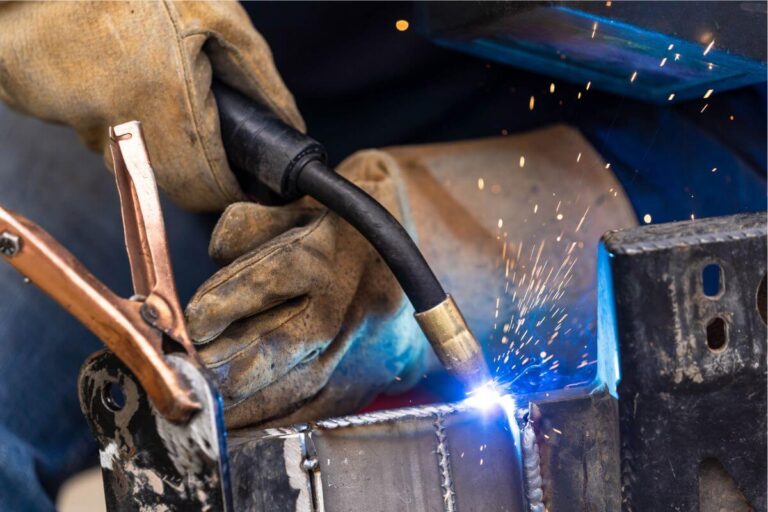
While many small fixes can be done at home, not all repairs are safe to handle without proper tools or skill. Large cracks, structural damage, or repairs to items like gates, railings, or load-bearing frames should be left to experts. Professional welders can restore strength and appearance while ensuring safety.
Trying to fix such issues without the right knowledge can make the problem worse or even cause injury. Knowing when to get help is part of maintaining your metal items properly.
Benefits of Professional Welding
Choosing a skilled welder means your repairs are done with precision and durability in mind. Professionals use specialised equipment and techniques to ensure strong, clean joins that last. They can also spot hidden damage you might miss, preventing future issues. In the long run, investing in expert help can save you time, money, and unnecessary stress.
Final Thoughts
Metal items are made to last, but even the strongest materials need care. From removing rust to sealing small leaks, these quick fixes can keep your household essentials in good condition. But for complex or heavy-duty problems, expert welding and repair services ensure a safe and lasting solution.
If you have metal items in need of attention, it’s always worth acting sooner rather than later. Contact a trusted local repair specialist to bring your items back to life.