In today’s fast-paced manufacturing world, companies are constantly searching for ways to streamline production while keeping costs down. One solution that has transformed the way industries operate is CNC machining. If you’re working with or exploring services from a CNC machining company in Mississippi, understanding this technology could be key to improving your bottom line.
Understanding CNC Machining
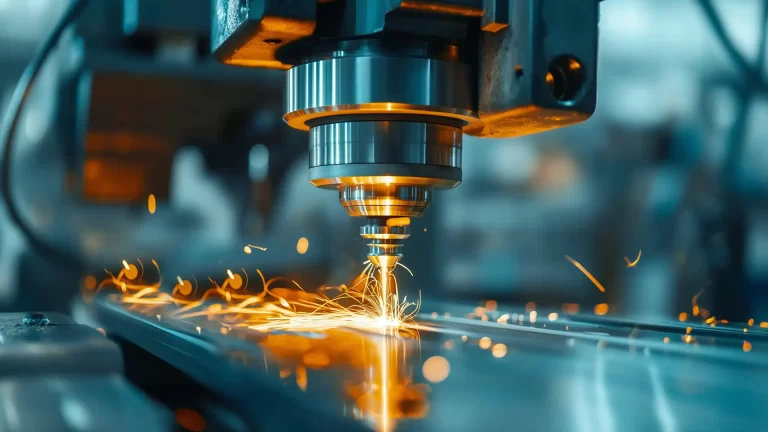
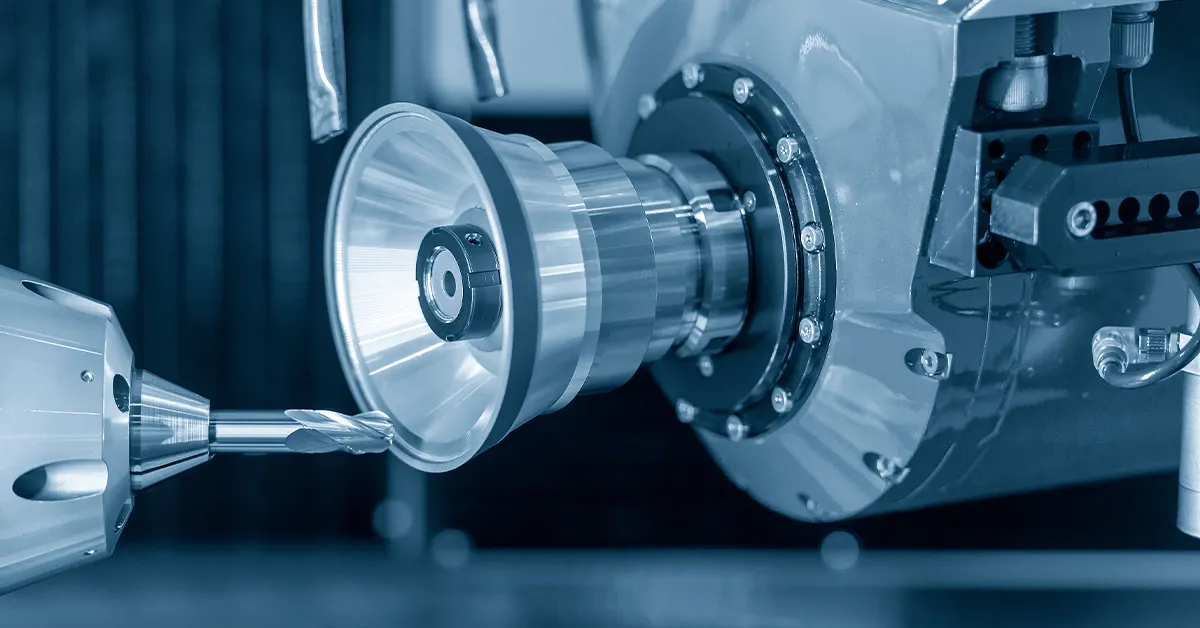
CNC stands for Computer Numerical Control. At its core, CNC machining involves using computer software to control the movement of tools and machinery. Unlike manual operations, CNC machines follow programmed instructions with extreme precision. These instructions direct machines to cut, drill, mill, or shape materials into exact specifications.
This process is ideal for working with metals, plastics, wood, and composites. It’s widely used in aerospace, automotive, medical, and electronics sectors due to its reliability and accuracy.
Improved Accuracy and Reduced Waste
One of the main reasons businesses turn to CNC machining is the promise of better accuracy. Traditional methods often rely heavily on manual skill, which means the potential for human error increases. With CNC, once the design is set and the machine is calibrated, the process runs the same way every time.
That kind of consistency reduces the amount of material wasted. Fewer errors mean fewer defective parts, which leads to lower costs. Over time, savings on raw materials alone can be substantial, especially when working with expensive metals like titanium or aluminium.
Faster Production and Greater Efficiency
Speed is another major advantage. CNC machines can operate 24/7 if needed, with very little downtime. That means your production capacity increases without necessarily increasing overhead. In competitive industries, being able to deliver parts faster gives you an edge.
Since these machines follow programmed instructions, there’s no need to pause for measuring or adjusting. Each part is completed quickly and to the exact same dimensions. Shorter turnaround times make it easier to meet tight deadlines, whether you’re producing small batches or scaling up for a large order.
Lower Labor Costs and Better Resource Allocation
Labor is often one of the biggest expenses in manufacturing. CNC machining can significantly reduce this cost. A single operator can oversee multiple machines at once. There’s no need for someone to guide the tools or make adjustments mid-process. This allows your team to focus on other tasks that require human judgement and creativity.
While skilled CNC programmers and engineers are still essential, the number of people required to run a facility is lower compared to traditional workshops.
Flexible Design Options and Easy Modifications
CNC machining also opens up opportunities in product design. Once you’ve created a CAD (computer-aided design) model, it’s easy to test different versions without starting from scratch. Adjusting dimensions or trying out new shapes can be done with just a few changes in the code.
This level of flexibility is ideal for businesses that need to prototype new ideas or regularly update their products. Being able to test and adjust quickly reduces the development cycle and gets your product to market faster. And if customer needs evolve, it’s much easier to adapt your production without investing in new tools or machinery.
Scalability Without the Growing Pains
As businesses grow, so does the demand for faster, larger, and more complex production. CNC machining scales easily with your operations. Whether you’re fulfilling ten orders or ten thousand, the machines don’t change their pace or quality.
Since the same software can be used for both prototyping and full production, it eliminates the need for redesigning processes. That consistency makes it easier to plan, budget, and forecast, all of which contribute to more efficient management.
Enhanced Safety and Compliance
Workplace safety is another area where CNC machining has an edge. Traditional tools require hands-on operation, which carries risk. CNC machines, on the other hand, are mostly enclosed and automated. Operators don’t come into direct contact with moving parts or hot surfaces, lowering the risk of injury.
For industries that must meet strict safety and compliance standards, this method offers better control and monitoring. Machines can be equipped with sensors to detect malfunctions or inconsistencies. This improves not just safety but also quality control—helping you avoid costly recalls or rework.
Energy Efficiency and Sustainability
Energy costs can add up quickly, especially in large-scale manufacturing. CNC machines are typically more energy-efficient than manual setups because they complete tasks faster and with greater accuracy. Less waste also means less energy spent creating materials that are later scrapped.
For businesses aiming to reduce their carbon footprint or meet green manufacturing standards, CNC machining is a smart step. With better control over every aspect of production, it becomes easier to track usage and find ways to improve efficiency.
Final Thoughts
Whether you run a small shop or a large facility, CNC machining can help cut costs, save time, and boost precision. It reduces waste, speeds up production, and helps you stay competitive. If you’re working with a CNC machining company Mississippi, now’s a good time to explore how their services could support your growth. Investing in smart tech like this isn’t just about solving problems today, it’s about building for the future.