
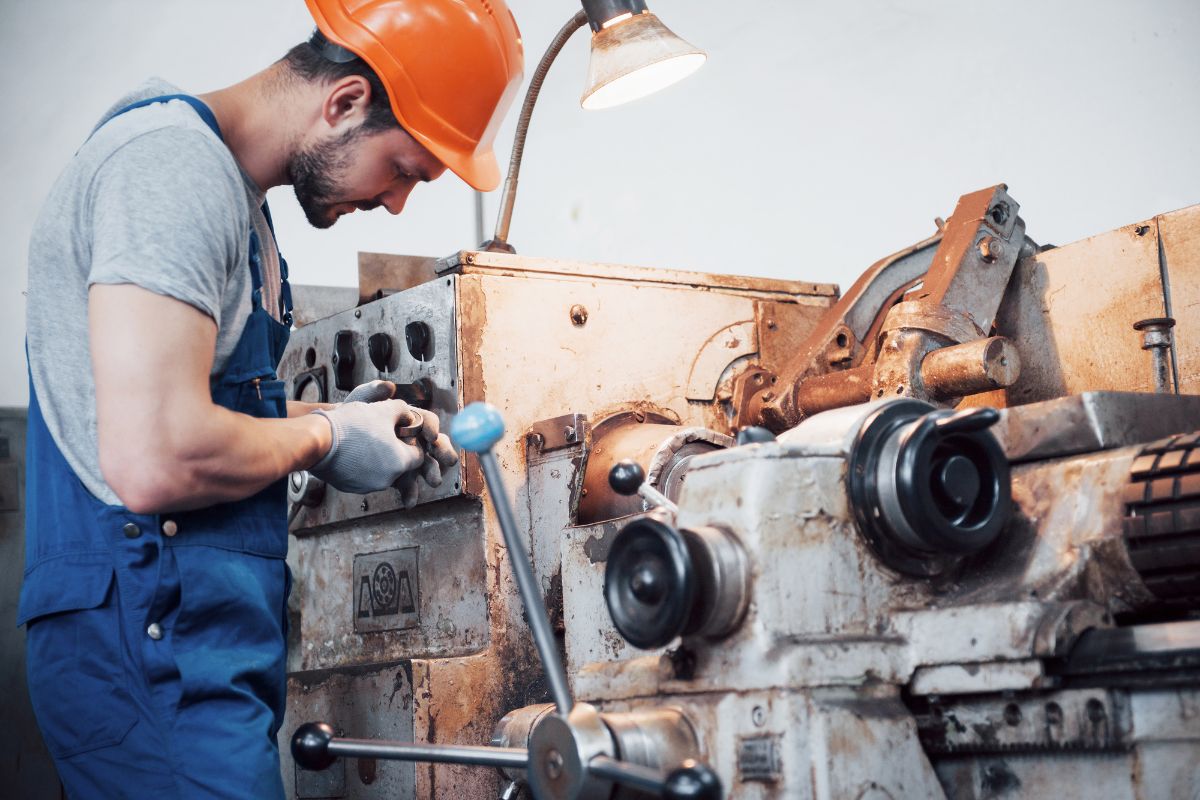
In industrial facilities, downtime is one of the most expensive challenges businesses face. When machinery fails unexpectedly, production halts, deadlines are missed, and repair costs escalate quickly. While reactive repairs may solve immediate issues, they often fail to address underlying mechanical problems. This is where preventive millwright maintenance becomes essential.
Preventive millwright maintenance focuses on identifying and correcting mechanical issues before they lead to breakdowns. By taking a proactive approach, industrial facilities can significantly reduce downtime, extend equipment lifespan, and lower long-term operational costs.
What Is Preventive Millwright Maintenance?
Preventive millwright maintenance involves scheduled inspections, alignment checks, mechanical adjustments, and performance evaluations performed by skilled millwright professionals. Unlike routine maintenance tasks handled by general technicians, millwright maintenance targets the mechanical precision and structural integrity of heavy industrial equipment.
It includes:
- Precision alignment verification
- Vibration analysis and correction
- Foundation inspections
- Mechanical component assessment
- Load and balance evaluations
- Performance optimization
The goal is not just to maintain functionality, but to optimize performance and prevent failure.
The True Cost of Unplanned Downtime
Unplanned downtime can have a serious financial impact on industrial operations. Costs often include:
- Lost production revenue
- Emergency repair expenses
- Overtime labor costs
- Delayed shipments
- Damage to equipment components
- Safety risks and compliance concerns
Even a few hours of downtime in a manufacturing facility can result in thousands of dollars in losses. Preventive millwright maintenance reduces the likelihood of sudden equipment failure and costly disruptions.
How Preventive Millwright Maintenance Reduces Downtime
1. Early Detection of Mechanical Issues
Small alignment errors, vibration irregularities, or foundation shifts may not be noticeable during routine inspections. Millwright professionals use precision tools and techniques to detect these issues early.
Addressing problems before they escalate prevents emergency breakdowns.
2. Improved Equipment Alignment and Balance
Misalignment is one of the leading causes of premature wear and mechanical failure. Preventive millwright maintenance ensures shafts, motors, and rotating components remain within precise tolerances.
Proper alignment reduces:
Bearing failures
Component stress
Energy loss
Excessive vibration
This directly improves equipment reliability.
3. Reduced Wear and Tear
When machinery operates under optimal mechanical conditions, components experience less stress and friction. Preventive maintenance ensures proper load distribution and mechanical stability, extending equipment lifespan.
Replacing components only when necessary—rather than due to failure—lowers long-term costs.
4. Predictable Maintenance Scheduling
Reactive repairs disrupt production. Preventive millwright services allow facilities to schedule maintenance during planned shutdowns or low-production periods.
This approach minimizes operational disruption and keeps production timelines intact.
5. Enhanced Workplace Safety
Mechanical instability can create serious safety hazards. Excessive vibration, loose components, and misaligned systems increase the risk of accidents.
Preventive millwright maintenance improves mechanical stability, reducing safety risks and supporting compliance with workplace safety standards.
Key Components of an Effective Preventive Millwright Program
An effective preventive millwright maintenance strategy typically includes:
Scheduled Equipment Inspections
Routine checks ensure alignment, anchoring, and mechanical integrity remain within specifications.
Vibration Monitoring
Detecting abnormal vibration patterns allows early intervention before component damage occurs.
Precision Alignment Checks
Regular alignment verification prevents shaft and motor stress.
Foundation and Structural Assessment
Ensuring machinery remains level and properly anchored protects against long-term mechanical strain.
Documentation and Reporting
Tracking maintenance records supports informed decision-making and long-term planning.
Preventive Maintenance vs Reactive Repairs
Reactive maintenance addresses equipment only after it fails. While sometimes unavoidable, this approach often leads to higher costs and repeated breakdowns.
Preventive millwright maintenance, on the other hand:
Identifies root causes early
Reduces emergency repair expenses
Improves overall equipment efficiency
Extends operational lifespan
Supports consistent production output
Facilities that shift from reactive to preventive strategies experience more predictable performance and lower long-term costs.
Industries That Benefit Most from Preventive Millwright Maintenance
Preventive millwright services are especially valuable in industries such as:
Manufacturing and production facilities
Warehouses and logistics centers
Power generation plants
Heavy industrial operations
Processing and packaging facilities
Any operation that depends on continuous machinery performance benefits from proactive mechanical care.
Signs Your Facility Needs Preventive Millwright Maintenance
If your facility experiences any of the following, preventive millwright services may be necessary:
Frequent minor breakdowns
Rising energy consumption
Repeated bearing or coupling failures
Increased vibration levels
Reduced production efficiency
Machinery relocation or upgrades
Addressing these warning signs early prevents costly long-term damage.
Long-Term Financial Benefits
Preventive millwright maintenance is not an added expense—it is a cost-saving strategy. Facilities that invest in proactive maintenance often see:
Lower emergency repair costs
Extended machinery lifespan
Reduced downtime
Improved production consistency
Better return on equipment investment
Over time, the financial savings outweigh the initial maintenance costs.
Final Thoughts
Industrial operations cannot afford unexpected breakdowns or repeated mechanical failures. Preventive millwright maintenance provides a structured, proactive solution that protects equipment, reduces downtime, and improves long-term operational efficiency.
For industrial facilities across Mississippi, Steampunk Fabrication delivers professional millwright services focused on preventive maintenance, precision alignment, and mechanical reliability. Partnering with experienced millwright professionals ensures your equipment operates safely, efficiently, and consistently—supporting your productivity and profitability.